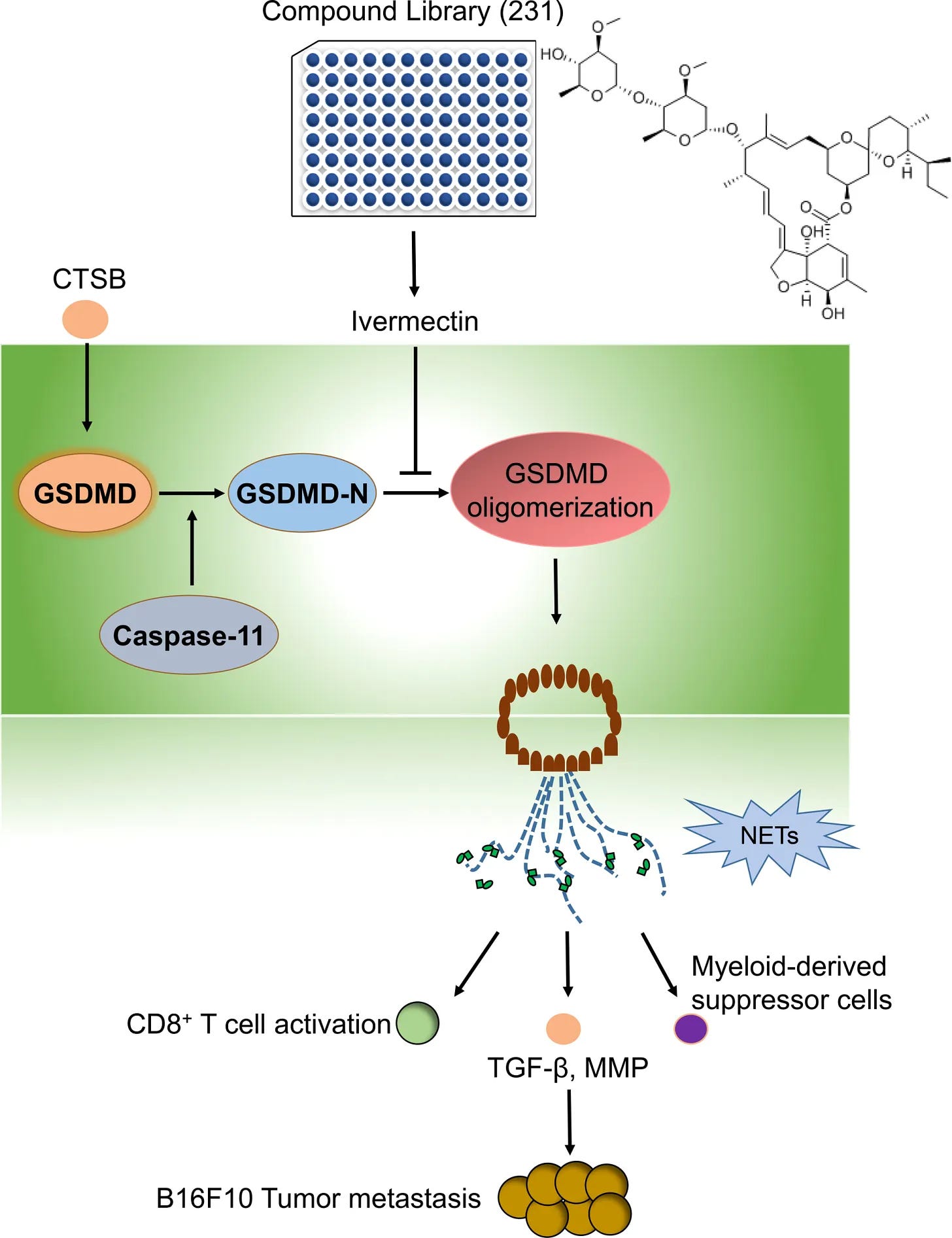
The graphic abstract in this study. By using a compound library, we identified a natural compound IVM, which significantly suppressed CTSBinduced NETs. The precise mechanism of IVM was targeting GSDMD and significantly suppressed GSDMD oligomerization. Thus IVM suppressed GSDMD-dependent NETs. The formation of NETs significantly promotes melanoma cancer metastasis through increasing TGF-b, MMP9 and myeloid-derived suppressor cells and suppressed CD8+T cells activation.
In this study, we report that IVM, a generic drug approved by FDB, has antibacterial and anti-melanoma activities We further identified the precise molecular target of GSDMD for IVM The current research results show that IVM inhibits the formation of GSDD dependent pores and the thermal swelling of cells, which significantly reduces the formation of reticular structures induced by CTSB, leading to melanoma metastasis.
Collectively, our research has found a new potential IVM target in the clinical treatment of melanoma.
Recently, drug repurposing has become a powerful tool for discovering and developing novel anticancer drug candidates (35, 36). Our in vitro screening system showed a broad-spectrum anti-parasitic compound IVM among 231 candidate small molecular compounds in the database of Drug Bank significantly reduced CTSB-induced NETs formation, with no effect on tumor cell viability. The prior investigation on repositioning drugs, such as mefloquine and albendazole have demonstrated to promote cancer treatment by targeting cell cycle arrest in melanoma cells (37, 38). IVM is widely used in both animals and human as an FDA-approved parasiticide (39). Except for its role as antiviral activity against several viruses such as coronaviruses, recent studies have revealed its role in various diseases, including sepsis, diabetes and human cancer disease (40–42). In tumor study, IVM has been identified to reverse the chemotherapeutic drugs resistance through EGFR pathway in colorectal and breast cancer (43). In addition, another study points to a repression of WNT-β-CATENIN/TCF transcriptional response by IVM and related macrocylic lactones in human colon cancer (42). So further studies are required for us to investigate the role of IVM on melanoma cells in the pathogenesis of tumor metastasis.
Our immufluorescent results showed IVM reshaped the tumor immune microenvironment with increased CD8+T cells and reduced MDSCs in lung of melanoma mouse model. The results suggest that IVM exhibit a strong potential for melanoma cancer to lung metastasis. Melanoma is recognized as one of the most immunogenic human cancer types that has a strong correlation between the infiltration of T cells in melanoma metastases (44, 45). In clinical phase III trial with 945 patients, the overall 5-year survival rate was 44% for anti-PD-1 (46). Therefore, a combination of anti-PD-1 antibody with IVM should be added to further explore their effect on melanoma cell metastasis. Besides the role of CD8+T cells in melanoma metastasis, MDSCs were also found to be enriched and activated in the melanoma microenvironment. The reduced frequencies and cell number of MDSCs abrogate immunosuppressive functions that delay the tumor progression and prolong the survival both in animal models and in cancer patients (47, 48). So further studies are required to investigate the direct effect on IVM on CD8+T cells and MDSCs in melanoma metastasis.
Our molecular mechanism study identified IVM directly interact with GSDMD and promotes GSDMD oligomerization in bone marrow neutrophils. GSDMD is a pore forming protein that acts as a downstream molecular of inflammasome and non-canonical inflammasome (caspase-11). In innate immune cells such as macrophage, GSDMD is activated by the cleavage of canonical (NLRP3, AIM2, and caspase-1) or noncanonical pathway. Once cleaved, GSDMD can translocate to the plasms membrane to form pores and induce a lytic proinflammatory of cell death (49, 50). However, unlike macrophages, which undergo pyroptosis, the activation of canonical inflammasome in neutrophils facilitate NETosis. Recently, two studies have identified that the activation of gasdermin D (GSDMD) is required for the generation of NETs (32, 33). Secondly, although many studies have been focused on the regulation pathway for GSDMD cleavage (such caspase-8, caspase-3). Little is known for the regulation role of GSDMD pore formation on the plasma membrane. Our results further confirm a role of IVM on GSDMD oligomerzization, which is essential for GSDMD pore formation (2, 51). However, our results showed no effect of GSDMD cleavage after IVM treatment. The upstream enzyme of GSDMD is caspase-1 and caspase-11, our results showed there is no comparable effect of caspase-11 after IVM treatment. Since caspase-1 was not required for GSDMD-dependent NETs (32). We did not detect the expression of caspase-1, especially in neutrophils, except for caspase-1 and caspase-11, the resident granzyme in neutrophil can also cleave GSDMD including elastase and cathepsin G (52, 53). So, our study should also investigate the effect of IVM on elastase and cathepsin G.
The results of immunofluorescence and scanning electron microscope showed the release of NETs were significantly increased after CTSB treatment. Indicating the role of CTSB on NETs formation. Except for the role of CTSB on NETs, it has been identified that cathepsin protease is essential for melanoma progression (54). Intracellular cathepsins cleave proteins while extracellular cathepsins degrade type I collagen and active pro-invasive proteases in the tumor microenvironment, which promotes tumor metastasis (55). CTSB cleaves in the non-helical telopeptide extensions of collagens (56). The secretion of CTSB is significantly increased in cancer cells and are active and stable in acidic environments and neutral acidity (57). A study showed that Abl/Arg promoted CTSB secretion through controlling the transcription factors with epithelial mesenchymal transition (EMT), invasion and therapeutic resistance in melanoma cells (58). Except for the role of CTSB on tumor cells, there are some reports that CTSB interacting with NLRP3 and to subsequent caspase-1 activation in macrophages (59). In our study, further investigations are thus needed to explore the role of CTSB on other cells.
It has been identified that inflammatory cytokines and growth factors play a crucial role in tumor growth and tumor microenvironment. The qPCR results showed that the level of proinflammatory cytokines including IL-1β, IL-6 and TNF-α were significantly reduced in lung of B16F10 mice after IVM treatment. Melanoma cells often express variable levels of IL-1β and IL-6, which plays an important role of cell proliferation and melanoma progression (60). Also, the level of TGF-β, VEGF and MMP9 were reduced after IVM treatment. TGF-β is a multifunctional cytokine belong to the transforming growth factor superfamily, the key function is to regulate the inflammatory process. In melanoma, TGF-β is considered a marker of metastatic spreading (61). In addition, recent studies suggested that TNF-α and metalloproteases were key players in melanoma cells aggressiveness (62, 63). So further studies are required to investigate the precise effect of IVM in these pro-inflammatory cytokines and growth factors as secreted from B16F10 melanoma cells.
Overall, the data from this study suggest the role of IVM in the formation of CTSB induced reticular formation when melanoma metastasizes to the lungs. We found that CTSB secreted by tumor significantly promoted the activation of neutral caspase-11/GSDMD cells IVM directed at SDMX has greatly inhibited SDMX oligarchy and the subsequent GSMX core network. As the clinical needs of patients with melanoma have not been met, it is necessary to further explore the feasibility of this drug as a treatment for melanoma metastasis.
Scabies, an infestation caused by Sarcoptes scabiei var. hominis, is labeled as a neglected tropical disease by the WHO. While permethrin is considered the most effective treatment and drug of choice for scabies in most parts of the world,[41,42] CDC recommends IVM (200 μg/kg, with a repeat dose two weeks later) which is equivalent to topical permethrin.[43] However, IVM is currently not FDA approved for the treatment of scabies. IVM has shown superiority over most topical agents including lindane, but not to permethrin.[44,45] IVM is also found to be well-tolerated in infants with an 80% healing rate in cases that failed two other topical treatments and may be considered for treatment of recalcitrant or relapsing scabies in infants.[46]
Although very effective against the adult stages of the mite, IVM is not ovicidal.[22] Thus, a single dose may be inadequate and the dose needs to be repeated within 1–2 weeks. Owing to the preferential secretion of IVM via sebum, Haas et al.[14] recommended that IVM preferably be taken in the evening to achieve the maximum surface concentration at night. Hot bath/washing or showering is not recommended after the drug intake as it may dissolve the surface lipids containing IVM.
Large scabies outbreaks in nursing homes and other facilities, nodular scabies (which is typically resistant to topical treatment), crusted clinical forms, and infestation in immunocompromised hosts are excellent indications for oral IVM.[47,48] More frequent dosing (2–3 doses, 1–2 weeks apart) is required in cases of crusted scabies[49,50] [Table 1] and a five-dose regimen with IVM administered on days 1, 2, 8, 9, and 15, with two additional doses on days 22 and 29 in most severe cases have been reported to be highly successful.[51] For refractory institutional and community outbreaks, a blanket treatment with topical permethrin and oral IVM for all symptomatic cases with classic or crusted scabies and a single oral dose of IVM, 200 μg/kg, for all exposed, asymptomatic residents, visitors, and staff is recommended.[52]
An interesting observation is that scabies patients often have secondary impetigo and this has been particularly noted in the Aboriginal regions of north-western Australia and throughout the South Pacific islands. A seminal trial undertaken by Romani and co-workers found that mass administration of oral IVM helped in marked decline in the prevalence of scabies with a concomitant decline of impetigo.[52]
Apart from oral IVM, topical IVM 1% (applied to the entire skin over one night, then repeated a week after) is also an effective anti-scabietic treatment.[22] Notably, earlier and higher cure rates have been observed with topical IVM 1% and permethrin 5%, as compared to oral IVM at weeks 1 and 2 post-treatment for scabies.
Pediculosis
IVM lotion (0.5%) is US-FDA approved for the treatment of pediculosis capitis and is based on a study where 79% of subjects remained louse-free for 15 days after the use of topical 0.5% IVM lotion as a single 10-min application on dry hair without nit combing.[53] IVM lotion is as effective as oral IVM (two 200-μg/kg oral doses of IVM given a week apart). An RCT showed that a single oral dose of IVM, 400 μg/kg of body weight, repeated at 7 days, revealed higher louse-free rates by day 15 as compared to two applications of 0.5% malathion lotion in patients with pyrethroid-resistant head lice infestations.[74] IVM is effective against permethrin-resistant head lice in-vitro and is capable of eliminating parasites partially refractory to malathion in-vivo.[74,75] Notably, short exposure intervals of body lice to sublethal amounts of IVM can induce upregulation of detoxification genes including cytochrome P-450 monooxygenase and adenosine triphosphate–binding cassette transporter genes leading to tolerance.[76] Thus overuse of IVM can lead to the development of resistance.
In pediculosis corporis, three doses of oral IVM 12 mg with a 7-day interval decreased the prevalence of subjects infested with body lice from 84.9% to 18.5% over 14 days but the effect was not sustained at 45 days.[77]
Rosacea
IVM 1% cream is now approved by US FDA for the treatment of inflammatory rosacea. IVM not only targets Demodex folliculorum but also reduces the inflammation associated with the condition. Results of a two-week controlled, investigator-blinded trials revealed that IVM 1% cream is superior to placebo in reducing inflammatory lesions in papulopustular rosacea, with near-complete treatment response, and improving patient satisfaction and quality of life.[54] In addition, IVM 1% cream was found to be better than metronidazole 0.75% cream for decreasing the inflammatory lesion count, reaching “clear” or “almost clear” response and patient satisfaction.[78] IVM is also well-tolerated and beneficial for the treatment of perioral dermatitis.[79]
Demodicosis
Demodex folliculorum is a normal inhabitant of human skin and IVM (both oral and topical) may be useful in several disorders associated with Demodex overpopulation and immune dysregulation, including blepharitis, otitis externa, acne, and perioral dermatitis. In immunosuppressed patients, it causes facial or disseminated demodicosis affecting the pilosebaceous units where the host immune system is unable to keep the mite under control. While there is no specific approved dose regimen for demodicosis, 2 children with acute leukemia and disseminated demodicosis were treated successfully with a single oral dose of 250 μg/kg of IVM[55] and as a corollary oral IVM is preferred in HIV-associated demodicosis.[80]
Tropical infectious diseases
Onchocerciasis
Disseminated prurigo, lichenification, and subcutaneous nodules (onchocercomas) on the trunk and extremities are the cutaneous manifestations caused by O. volvolus infestation.[81] The drug penetrates well into nodules when given as a single dose and in animal model of onchocerciasis. High concentrations were detected in the capsule wall and inside the nodule after subcutaneous administration of 500 μg/kg.[82] Administered as a single oral dose of 150 μg/kg, IVM leads to rapid microfilaricidal effect, with most microfilariae being cleared by the end of the first week of therapy and within 1 month after treatment, the skin microfilarial loads decreased by 95%–99%.[56] This also prevented the production of new microfilariae by the adult female worms and accounts for its prolonged effect in suppressing microfilariae for up to 1 year after treatment. A periodic intervention has been suggested as adult O. volvulus worms may live up to 10 years; thus, the drug should be administered every 6 to 12 months for the life of the adult worm[57] though a recent paper suggests that a 3 monthly dose of 150 μg/kg has a better prophylactic role.[58]
Filariasis
Clinical manifestations of filariasis caused by W. bancrofti include acute lymphangitis of the legs, lymphadenitis, and orchitis, and finally, elephantiasis. A single dose of IVM is microfilaricidal against W. bancrofti for up to 3 months,[83] though with higher doses (150–400 μg/kg), microfilaremia takes longer to return, and the level of parasitemia is lower than baseline.[84] As IVM has been shown to be marginally inferior to DEC in producing a sustained reduction of microfilaremia in lymphatic filariasis, IVM is not effective against the adult worm, which explains why mass treatment campaign, with IVM resulted in a significantly smaller impact on hydrocele prevalence than DEC.[85] In endemic areas, a combination of IVM added to standard therapy with DEC and albendazole demonstrated greater reductions in microfilaremia.[86] The high-dose twice-yearly combination of albendazole (800 mg) and IVM (400 μg/kg) is superior to standard-dose albendazole (400 mg) and IVM (150 μg/kg) in suppressing Wuchereria bancrofti microfilaremia and thus some experts recommend this combination regimen.[59]
The activity of IVM against B. malayi and Brugiatimori, the less common lymphatic filarial parasites, seems to be less than as compared to W. bancrofti and single doses of IVM, even as high as 400 μg/kg, result in slower clearance of microfilaremia. A recent trial showed that triple-drug treatment with an oral dose of IVM (200 μg/kg body weight), DEC (6 mg/kg), and albendazole (a fixed dose of 400 mg) was better than DEC and albendazole and this would seem to be a better option for brugian filariasis.[60,61]
Strongyloidosis
IVM is the first-line treatment for both acute and chronic strongyloidosis. A single dose is sufficient for most non-disseminated infections with a cure rate of 83%.[62,63] Larva currens is a cutaneous manifestation of strongyloidiasis in which two consecutive days of oral IVM therapy has been found to be more effective. Some experts recommend an additional dose given 7 to 10 days later and repeated courses are warranted in individuals with impaired cellular immunity, particularly patients infected with human T-cell lymphotropic virus type 1.
The difficulty in achieving adequate drug levels of IVM in patients with disseminated strongyloidiasis and intestinal ileus can be a serious clinical problem due to intestinal dysfunction. Here a subcutaneous injection of a veterinary formulation of IVM is indicated.[87,88]
Cutaneous larva migrans
Cutaneous larva migrans is caused by cutaneous penetration of larvae of animal hookworms (usually Ancylostoma braziliense). IVM is given in a dose of 150 to 200 μg/kg once daily for one or two doses.[64] Topical use of IVM has been found to be useful and may be useful in localized cases.[89]
Loa loa
Cutaneous manifestations of Loiasis include transient prurigo nodularis like swelling (Calabar swelling) which is seen on the upper extremities. IVM is the preferred treatment when there is possible or confirmed co-infection with O. volvulus.[90]
High doses of the drug (400 μg/kg) are required to clear microfilaremia,[65] and they clear slowly than bancroftian filariasis.[11] Serious adverse events, most notably fatal encephalopathy, have been reported when IVM was administered as part of an MDA program for control of endemic onchocerciasis. This is related to the high levels of microfilaremia (1% with 20,000 mf/mL, 10% with 50,000 mf/mL, and 30% with 100,000 mf/mL); therefore, IVM should be used with extreme caution in these patients.[91]
Myiasis and other parasitic diseases
Cutaneous myiasis is an infestation of humans by fly larvae Musca domestica. Various modes of treatment have been used including topical IVM, irrigation with IVM, and oral IVM. Manual extraction with the administration of two doses (24 h apart) of oral IVM (6 mg each) is an effective method to treat this disorder.[66]
A dose of 200 μg/kg/day for 2 days is effective in gnathostomiasis (cure rate of 100%).[67] The drug is also safe in A. lumbricoides (100 to 200 μg/kg),[92] pinworm infection caused by E. vermicularis (cure rate of 85% single dose 50 to 200 μg/kg.) but has limited activity in hookworm infection and ineffective for the treatment of infections caused by T. trichiura. Thus, a combination with albendazole appears to be a better option in such cases.[93]
Malaria
IVM kills malaria vectors[94] and a recent cluster-randomized clinical trial showed that mass administrations of IVM repeated every 3 weeks during a rainy season were shown to reduce the incidence of malaria episodes in children in the study by 20%.[37]
The researchers concluded:
IVM is a drug that is safe, cheap, and widely available with multimodal action. The wide applicability with mass prophylaxis campaigns in various tropical disorders certifies its safety. The dermatological indications extend beyond scabies and pediculosis. The repurposing of this drug for COVID-19 is based on firm in-vitro data and therapeutic data suggests that it is a useful drug in the early virus replicative phase of the disease. It can be given at higher doses based on the available data which may achieve the ideal serum levels for an antiviral action. While it has established a firm place in the management of several nematodal and ectoparasitic infections, the anti-inflammatory, anti-cancer, and anti-viral/bacterial role of IVM make it a versatile drug, the full potential of it will evolve over the years.
And here is another anecdotal success story:
I used Ivermectin 1.87% on a basal cell carcinoma (skin cancer) that was on the end of my nose for 3 months.
The lesion stop ulcerating / bleeding.
Healed and faded out from dark red to light pink to gone!
Ivermectin is a miracle!
RFK Jr. Unloads the Truth About Ivermectin to The Hill: “It Was Really a Miracle Drug”
“There are now 100 studies that show that Ivermectin had profound benefits. Generally speaking, a 70% to 85% reduction in hospitalizations and deaths,” reported Kennedy. “It was really a miracle drug.”
Now, “horse dewormer” is showing profound anti-cancer properties. Is ivermectin Big Pharma’s worst nightmare?
Yes, during the height of the PSYOP-19 scamdemic they desperately attempted to ban Ivermectin, Hydroxychloroquine, and other early treatment compounds precisely because they cure viral infections and cancers alike, which would have prevented their “emergency” use authorization for gene altering Modified mRNA slow kill bioweapon “vaccines.”
And another anecdotal success story:
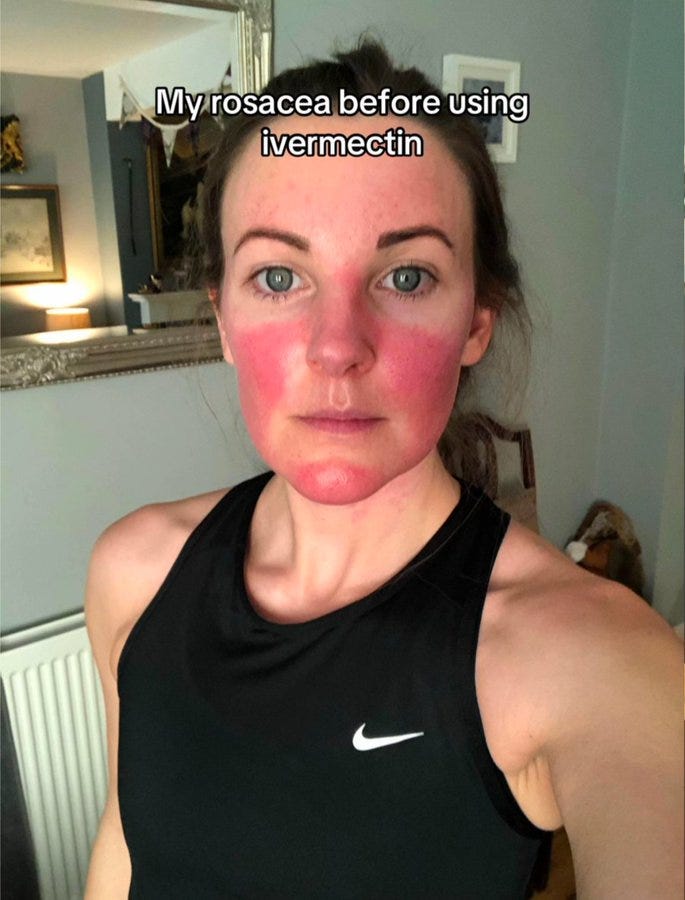
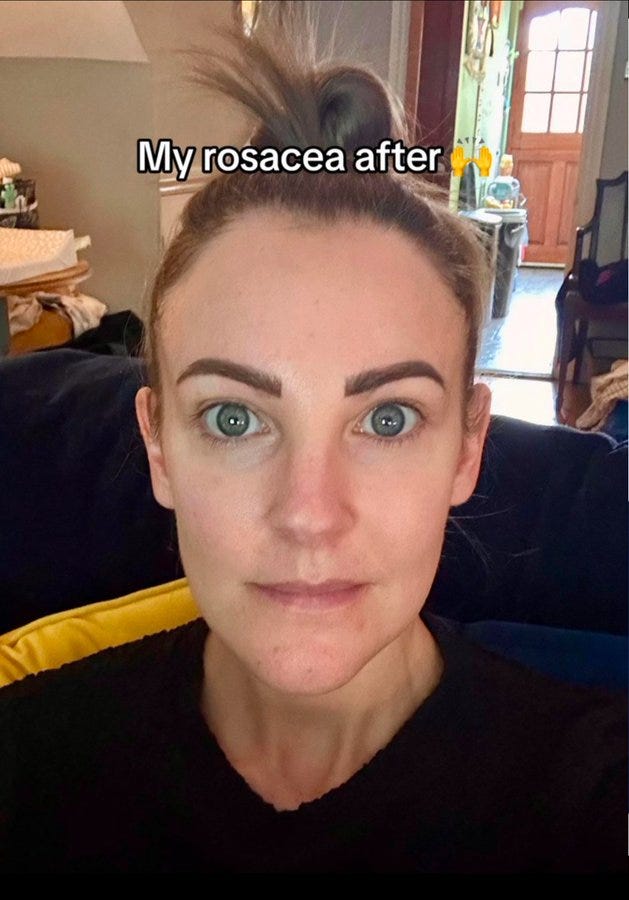
🚨 “I SPENT YEARS WASTING MONEY ON ROSACEA PRODUCTS… THEN I TRIED IVERMECTIN.”
This woman says her skin went from “hot, red, and angry” to almost completely calm after starting topical ivermectin for rosacea.
And honestly?
The before and after photos speak for themselves.
For years she dealt with: • Constant facial redness • Burning, sensitive skin • Flare ups across the cheeks, nose, chin, and forehead • Expensive skincare products that barely helped
She tried everything.
Over the counter creams. Medical grade skincare. Chemical peels.
Some products calmed things temporarily, but nothing actually changed the condition long term.
According to her, the irritation settled quickly, the redness started fading, and her skin became smoother within weeks.
What’s interesting is that ivermectin is already widely studied and prescribed for inflammatory rosacea conditions, especially cases linked to Demodex mites and chronic skin inflammation.
Multiple clinical studies have reported significant reductions in inflammatory rosacea lesions with topical ivermectin 1% cream, with some research suggesting it performed better than several older topical treatments.
And THIS is why so many people online are suddenly talking about ivermectin for skin issues after years of frustration with products that never solved the root problem. Follow me for more updates.
Tocotrienol and Tocopherol forms (all 8) of Vitamin E (400-800mg per day, 7 days a week). A product called Gamma E by Life Extension or Perfect E are both great.
Bio-Available Curcumin (600mg per day, 2 pills per day 7 days a week). A product called Theracurmin HP by Integrative Therapeutics is bioavailable.
Fenbendazole (450mg, 7 days a week) or in the case of severe turbo cancers up to 1 gram — for MEGADOSE 1,350mg-2,000mg/day — for prophylaxis one 150mg tablet once or twice per week
Ivermectin (24mg, 7 days a week) or in the case of severe turbo cancers up to 1mg/kg/day — for MEGADOSE 120mg-200mg/day — for prophylaxis one 12mg tablet once or twice per week
Hydroxychloroquine (10mg/kg/day 7 days a week) - for prophylaxis one 200mg tablet once or twice per week
ImmunX immune support which also greatly increases the bioavailability of both FenbendazoleandHydroxychloroquine (2 capsules per day) —for prophylaxis 2 capsules per day
Removing sugars and carbohydrates (cancer food) from your diet and replacing table sugar with a zero glycemic index, zero calorie, keto friendly rare sugar like AlluX
Do NOT comply.
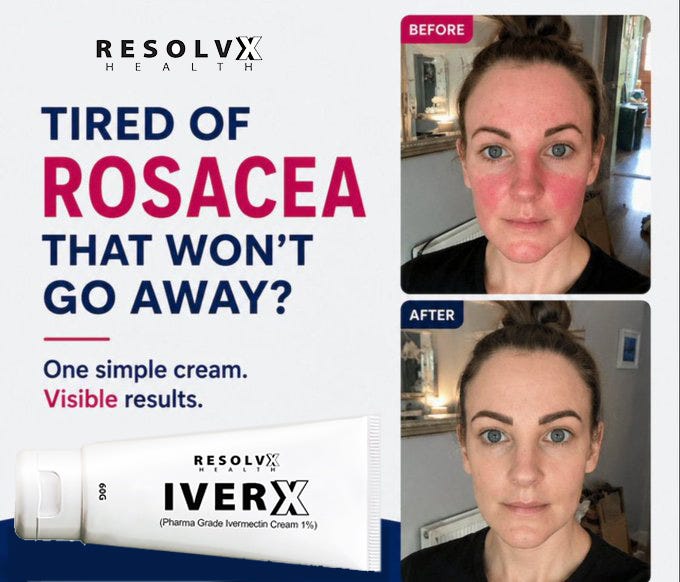
⚡️THE MASSIVE 40% OFF JULY 4th SITEWIDE SALE!⚡️ has been extended, so please use code JULY40 to receive 40% off on all of the incredible lifesaving products like the newly released topical Ivermectin Cream, the Nobel Prize winning miracle compound Ivermectin, the no less miraculous Fenbendazole, Hydroxychloroquine, Doxycycline, the full spectrum organic CBD oil containing 5,000 milligrams of activated cannabinoids and hemp compounds CBD, CBN & CBG, the powerful immune support nutraceutical and spike support formula ImmunX, and the sugar craving reducing, blood sugar balancing and even anti-cancer allulose sugar substitute AlluX!
⚡️THE MASSIVE 40% OFF JULY 4th SITEWIDE!⚡️ ends Thursday, July 23rd (midnight eastern time), 2026.
Upon adding products to your cart, please go to the cart icon at the top right corner of your browser page and click it, then choose the VIEW CART option whereby you will be redirected to a page where you can enter the code JULY40 in the Use Coupon Code field.
Only the RESOLVX HEALTH website offers all of the authentic products that this Substack promotes.
Please contact the company directly with any product questions: info@resolvx.health
While IVM may help with lice, the trick I discovered when my kids were little, (since public school is a great place to pick up such wonderful bugs) instead of pricy and toxic doctor /rx remedies, good old fashioned brown listerine. A small Dixie cup poured with the head tipped back, kills the live ones on contact. So once or twice a day, gets you ahead of the egg laying cycle after a week. Cheap and effective.




While IVM may help with lice, the trick I discovered when my kids were little, (since public school is a great place to pick up such wonderful bugs) instead of pricy and toxic doctor /rx remedies, good old fashioned brown listerine. A small Dixie cup poured with the head tipped back, kills the live ones on contact. So once or twice a day, gets you ahead of the egg laying cycle after a week. Cheap and effective.
Thank you for your work. My wife has eczema. Would you kindly reply with a link to your most appropriate post on use of ivermectin cream?
Much appreciated