
A ketogenic diet is the vital first step in the treatment of cancer, and then the repurposed compounds like Ivermectin, Fenbendazole and Hydroxychloroquine are administered for the greatest odds possible of remission.
Yours truly exchanged Substack comments and spoke on a call with the brilliant Dr. Marik yesterday at length about the importance of diet, and the protocol which will be featured at the end of this article…
by Paul Marik
Ivermectin is a macrolide antiparasitic drug that is widely used for the treatment of many parasitic diseases, such as river blindness, elephantiasis, and scabies. Satoshi Omura and William C. Campbell won the 2015 Nobel Prize in Physiology or Medicine for the discovery of the efficacy of ivermectin against parasitic diseases. Ivermectin was approved by the FDA for use in humans in 1978. (1-3)
Ivermectin and the History of Medicine: More than a Horse Dewormer
Interest in ivermectin for cancer arose from: (1-3)
High-throughput drug-repurposing screens
Observations that ivermectin modulates ion channels, Wnt/β-catenin signaling, mitochondrial function, and tumor metabolism
The broader concept that metabolically active, pleiotropic drugs may exert anticancer effects independent of their original indication
Ivermectin has been reported to inhibit the proliferation of several tumor cells by regulating multiple signaling pathways.
Figure 1.
Anticancer pathways and mechanisms
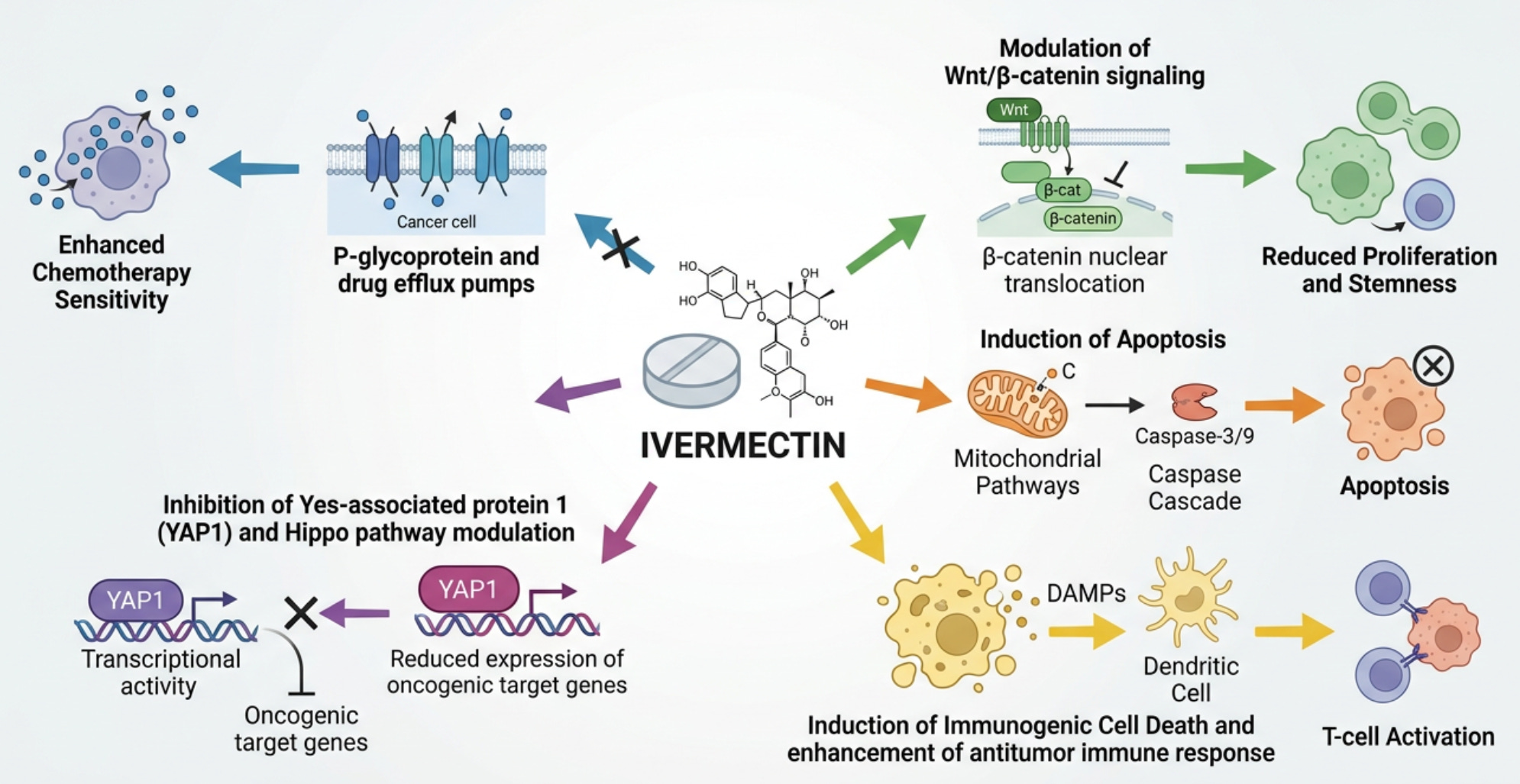
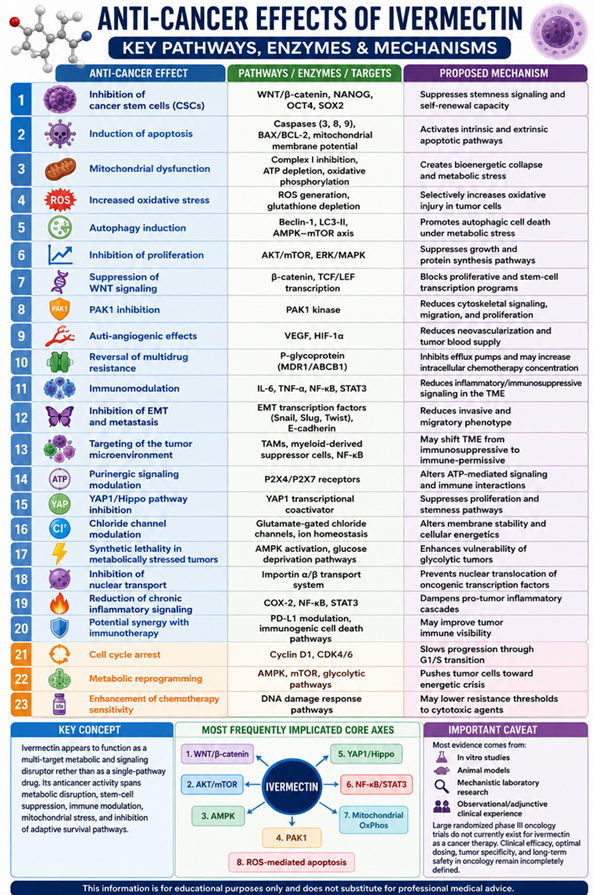
In 1996, Didier et al. found that ivermectin may effectively reverse tumor multidrug resistance, this is the first reported antitumorigenic activity of ivermectin.(4) Since then, many studies revealed that ivermectin exerted antitumor effects through multiple targets including chloride channel, PAK1 protein, Akt/mTOR signaling, P2X4/P2X7 receptors, WNTTCF pathway, SIN3 domain, NS3 DDX23 helicase and Nanog/Sox2/Oct4 genes (See figures 1-4). (5)
Experimental data demonstrated that ivermectin inhibited the proliferation of multiple breast cancer cell lines. (6) The mechanism involved the inhibition by ivermectin of the Akt/mTOR pathway to induce autophagy. Ivermectin has been demonstrated to inhibit the proliferation of canine breast tumor cell lines by blocking the cell cycle related to the inhibition of the Wnt pathway. (7) In a study that screened Wnt pathway inhibitors, ivermectin inhibited the proliferation of multiple cancers, including the colorectal cancer cell, and promoted apoptosis by blocking the Wnt pathway. (8) Other cancers that show an active WNT pathway and are inhibited by ivermectin include carcinomas of the lung, stomach, cervix, endometrium, and lung, as well as melanomas and gliomas. (8)
[2SG: all cancers respond to ivermectin.]
Ivermectin induces mitochondrial dysfunction by disrupting mitochondrial membrane potential, inhibits oxidative phosphorylation leading to ATP depletion and ROS generation. This aligns with metabolic oncology paradigms, particularly in tumors with high mitochondrial reliance. Ivermectin induces cancer cell apoptosis through the mitochondrial pathway.(1) Chen et al demonstrated that ivermectin inhibited the viability and induced apoptosis of esophageal squamous cancer cells through a mitochondrial-dependent pathway. (9) In addition, Sharmeen et al demonstrated that ivermectin induced chloride-dependent membrane hyperpolarization and cell death in leukemia cells. (10) Li et al demonstrated that Ivermectin induces nonprotective autophagy by downregulating PAK1 and apoptosis in lung adenocarcinoma cells.(5) Hu et al demonstrated that ivermectin augmented the efficacy of chemotherapy in an osteosarcoma cell line. (11)
Figure 2. Anticancer mechanisms and pathways of ivermectin
Heat shock protein-27 (HSP27) is highly expressed in and supports oncogene expression of many cancers. Ivermectin inhibits MAPKAP2-mediated HSP27 phosphorylation and depolymerization, thereby blocking HSP27-regulated survival signaling and client-oncoprotein interactions. (12) Ivermectin exerts an antitumor effect through the autophagy pathway. Using the autophagy inhibitors chloroquine and wortmannin or knocking down Bclin1 and Atg5 by siRNA to inhibit autophagy, the anticancer activity of ivermectin reduced significantly. (6)
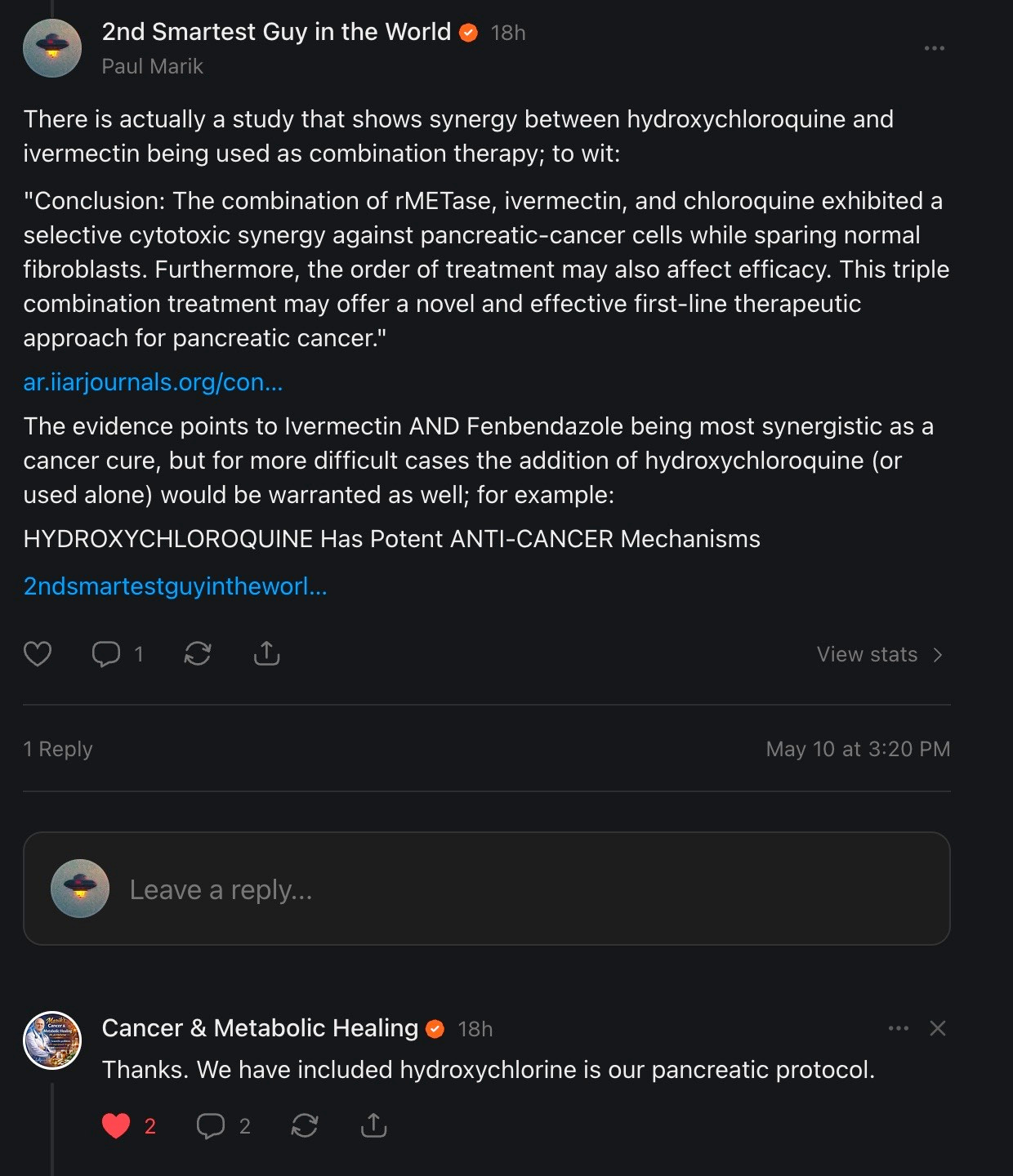
[2SG: this idea that ivermectin and chloroquine not having synergistic properties is based on a single study, and there is far greater evidence that combining ivermectin with hydroxychloroquine is actually highly beneficial as per my comment exchange with Dr. Marik:]
Triple-negative breast cancer (TNBC) refers to cancer that is negative for estrogen receptor, progesterone receptor, and human epidermal growth factor receptor 2 (HER2) and is the most aggressive subtype of breast cancer with the worst prognosis. (13) In addition, there is also no clinically applicable therapeutic drug currently available. A drug screening study of TNBC showed that ivermectin resulted in impairment of clonogenic self-renewal in vitro and inhibition of tumor growth and metastasis in vivo by blocking the SIN3-interaction domain.(14)
Ivermectin has anticancer activity by influencing the tumor microenvironment. Ivermectin decreases MDSC and Tregs and targets cancer stem cells. (15, 16) Furthermore, ivermectin acts to suppress the action of tumor associated macrophages (TAMs), which otherwise produce aberrant cytokine signals that act to suppress tumor apoptosis via a number of pathways, particularly TGF-β, and also upregulates the expression of the p53 tumor suppressor gene.
Proposed Immunologic Effects of Ivermectin
A. Modulate the Tumor Microenvironment
Promote M1 macrophage polarization
Reduce immunosuppressive M2 macrophages
Potentially decrease myeloid-derived suppressor cells (MDSCs)
B. Affect Purinergic Signaling
Ivermectin is a positive allosteric modulator of P2X4 receptors
Purinergic signaling influences immune cell recruitment and activation
C. Inhibit Oncogenic Signaling
WNT/β-catenin inhibition (important because β-catenin activation is linked to immune exclusion and ICI resistance)
Some preclinical data suggest synergy with:(17, 18)
Metformin
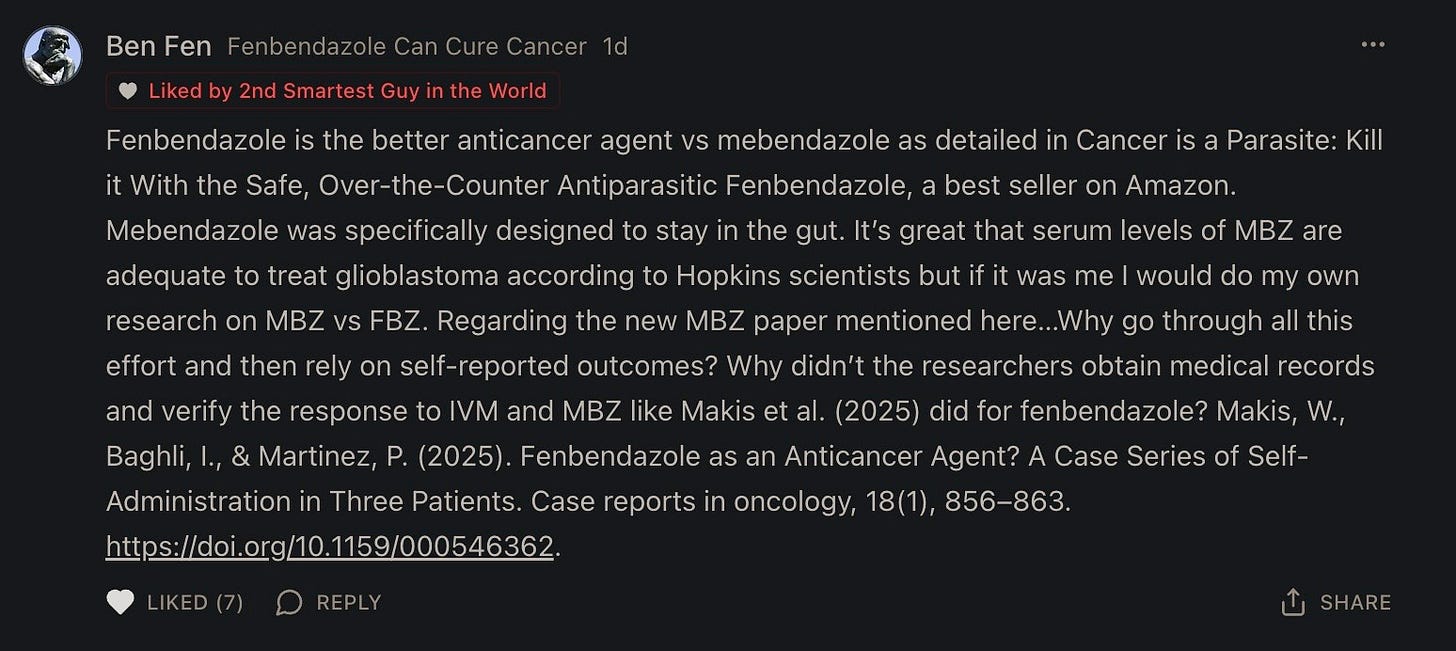
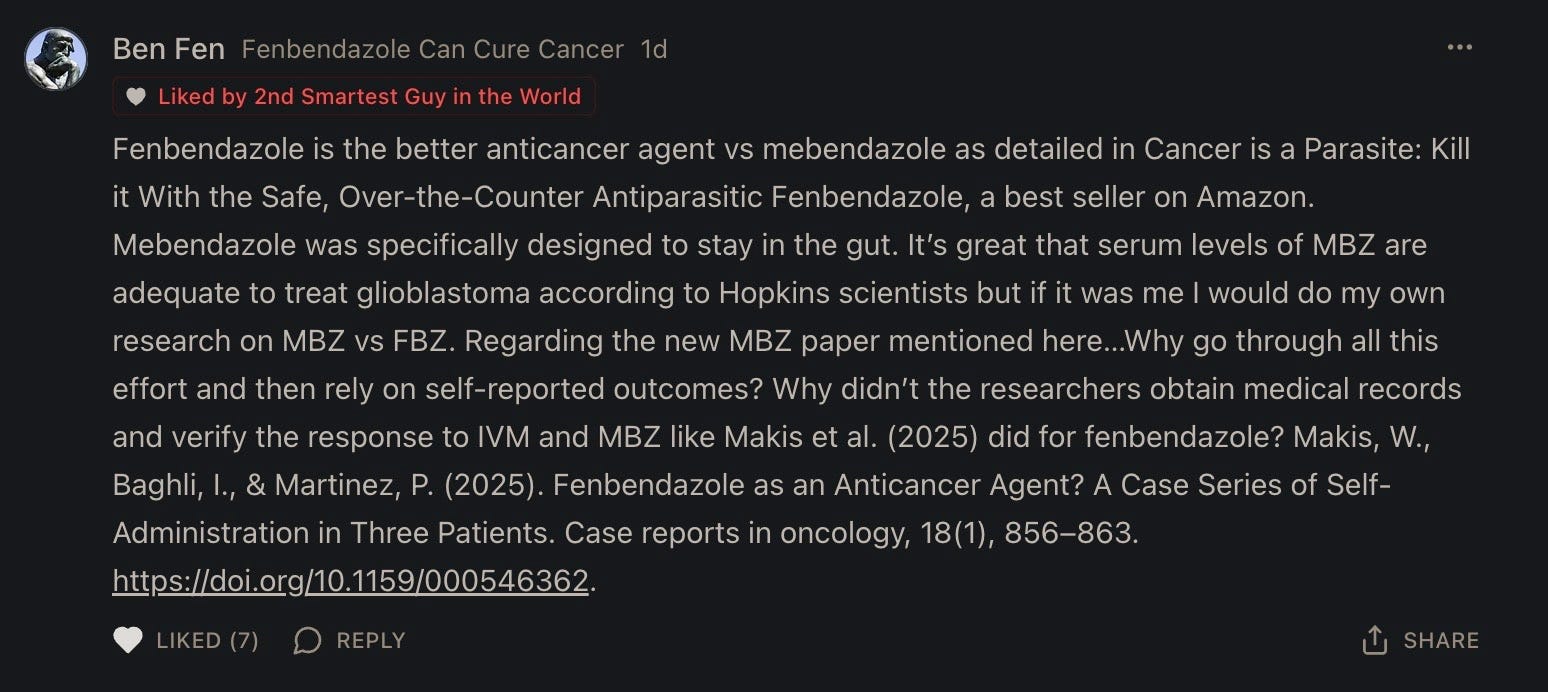
Mebendazole [2SG: Fenbendazole is superior to Mebendazole.]
Chemotherapy (e.g., cisplatin)
Metabolic stressors (fasting mimetics)
Although several antiparasitic drugs including ivermectin, mebendazole and niclosamide have proven anti-cancer effects it is important to recognize that cancer is NOT a parasitic disease as has been suggested in the “popular press” and by misguided clinicians. There is no evidence that cancer is caused by or related to any parasitic disease. These drugs act via specific biochemical pathways specific to the cancer cell which are distinct from their anti-parasitic mechanisms of action.

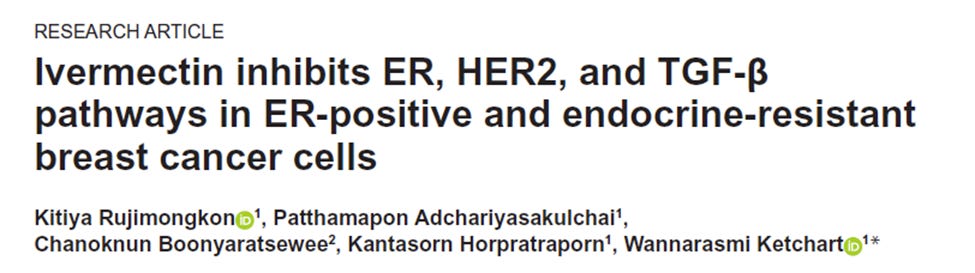
Figure 3.
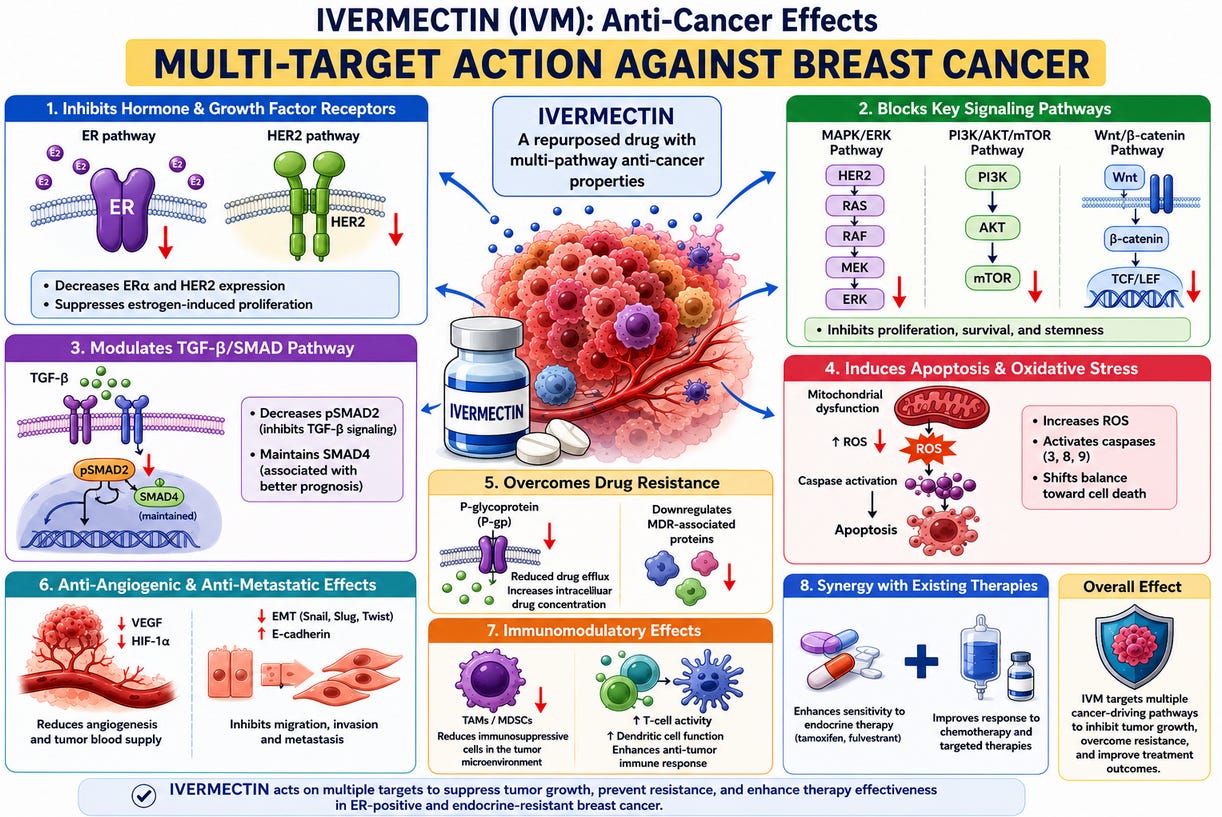
SHOULD ALL WOMEN WITH BREAST CANCER BE TREATED WITH IVERMECTIN?
Figure 4.
Clinical studies
While numerous in vitro studies have demonstrated the effectiveness of ivermectin against multiple cancers, (2, 10-12, 17-28) the reported clinical effectiveness is limited to small case series. [2SG: most, if not all cancers respond to these repurposed compounds and I have cited a plethora of studies to that effect as well as anecdotal success stories over the years.] (29, 30) Recently Hulscher et al published a large observational study (122 patients completed the “study”) entitled “Real-World Clinical Outcomes of Ivermectin and Mebendazole in Cancer Patients: Results from a Prospective Observational Cohort”.(31) The authors claim that the Clinical Benefit Ratio (CBR) was 84.4% (95% CI: 77.0–89.8%). While this study is profoundly methodologically flawed, it does provide an interesting therapeutic signal. Furthermore, ivermectin is widely prescribed for cancer across the world. I am aware of hundreds of “anecdotal” reports of solid tumors and hematological malignancies that have shown a dramatic response to repurposed drug regimens that included ivermectin. “A single anecdote is a single anecdote”, however, numerous repeated anecdotes provide important observational clinical data. High quality observational studies using the multi-axis approach which includes ivermectin are needed to demonstrate the benefit of repurposed drugs for the treatment of cancer.
Safety (this is important)
FIRST DO NO HARM. When considering a repurposed drug, the safety of the drug is critical. The safety of ivermectin is beyond question. Billions of dose of ivermectin have been taken by millions of patients (humans not horses) across this planet for the treatment various parasitic diseases. According to the WHO Pharmacovigilance Database, VigiAccess, (
https://www.vigiaccess.org
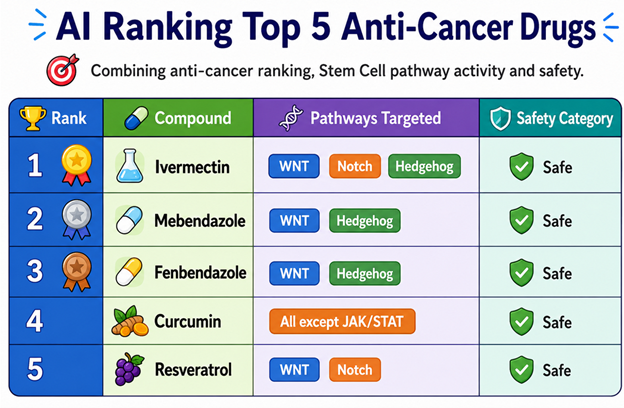
/). Ivermectin is one of the safest medications on this planet. The safety of ivermectin together with the multiple therapeutic targets (including stem cells) is largely the reason AI ranks ivermectin as the most effective anti-cancer drug currently available (see figure1 at top of post).
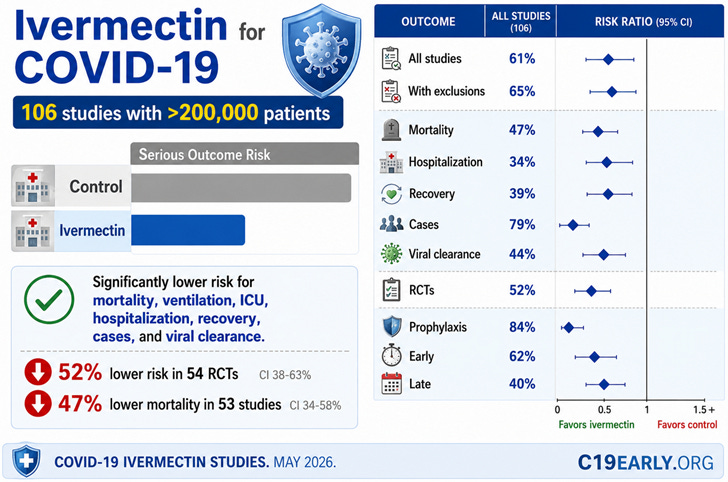
In addition, over 100 high quality studies enrolling over 200 000 patients have been published for the treatment of COVID-19 (https://c19early.org/i) . In these studies, Ivermectin has proven to be as safe as placebo (see Figure 5).
Figure 5.
Types of cancer ivermectin may be beneficial for
Ivermectin has shown in vitro activity against breast cancer (including TNBC), as well as lung, stomach, cervix, esophageal, endometrium, liver, prostate, kidney and ovarian cancer as well as cholangiocarcinoma, melanomas, leukemia, lymphoma and gliomas. (1)
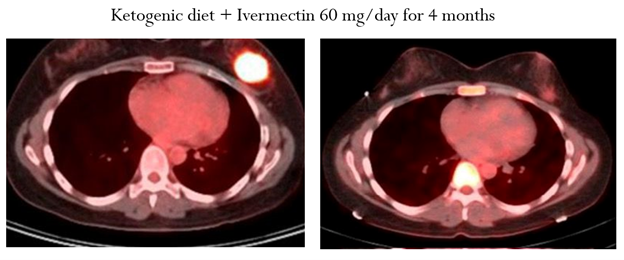
Figure 6. 34-year-old female with stage III breast cancer
Dosing and cautions
The optimal dosing strategy with ivermectin for the treatment of cancer is unclear. De Castro et al reported the use of 1mg/kg/day for up to 6 months in three pediatric patients with refractory AML without untoward side effects. (29) Ishiguro et al reported the use of ivermectin 12 mg twice weekly.(30) Anecdotal evidence suggest that a daily dose of 12-18 mg may be effective (prescribed indefinitely). As ivermectin has a remarkable safety record long term treatment at this dose appears safe. Generally, a starting dose of 0.4-0.6 mg/kg titrated up to 0.8mg /kg then 1mg/kg is suggested. Higher doses may be associated with visual disturbances and signs of neurotoxicity. As ivermectin does not cross the blood-brain barrier, ivermectin is likely less effective for brain tumors. Furthermore, caution is advised in patients with disruption of the blood-brain barrier.
Known Adverse Effects
Dizziness, nausea, diarrhea
Transient hypotension
Neurotoxicity at high doses (ataxia, confusion, seizures) [2SG: these reactions only occur at massive doses and affect less than 1% of the population; if any of these side effects occur one may simply lower the dose and then find the sweet spot where the maximum dose for that individual is well tolerated.]
Oncology-Specific Concerns
Drug–drug interactions (CYP3A4)
Antifungals such as ketoconazole, itraconazole, posaconazole
Pre-existing liver disease
Ivermectin can potentiate the anticoagulant effect of warfarin, increasing INR and bleeding risk.
Blood–brain barrier disruption with chemotherapy
Potential neurotoxicity in cachectic or frail patients
If you’ve found this work valuable, please consider upgrading to a paid subscription. Your support helps me continue independent research and share practical, evolving insights—while giving you access to deeper content and more direct engagement.
The following protocol does not only represent the ‘holy grail’ cancer cure in plain sight, but it may also treat Alzheimer’s, mood disorders, Parkinson’s, Lyme Disease, myocarditis, Hashimoto’s Disease, shingles (herpes), leukemia, Lupus, a broad range of skin disorders, and various other “incurable” ailments, as well as gain-of-function viral releases, VAIDS, “vaccine” shedding, the seasonal flu and even the common cold.
The Ultimate Disease Cure & Prophylaxis Protocol
Tocotrienol and Tocopherol forms (all 8) of Vitamin E (400-800mg per day, 7 days a week). A product called Gamma E by Life Extension or Perfect E are both great.
Bio-Available Curcumin (600mg per day, 2 pills per day 7 days a week). A product called Theracurmin HP by Integrative Therapeutics is bioavailable.
Vitamin D (62.5 mcg [2500 IU] seven days a week).
CBD oil (1-2 droppers full [equal to 167 to 334 mg per day] under the tongue, 7 days a week) CBD-X: The most potent full spectrum organic CBD oil, with 5,000 milligrams of activated cannabinoids and hemp compounds CBD, CBN & CBG per serving.
Fenbendazole (300mg, 7 days a week) or in the case of severe turbo cancers up to 1 gram — for prophylaxis one 150mg tablet once or twice per week
Ivermectin (24mg, 7 days a week) or in the case of severe turbo cancers up to 1mg/kg/day — for prophylaxis one 12mg tablet once or twice per week
Hydroxychloroquine (10mg/kg/day 7 days a week) - for prophylaxis one 200mg tablet once or twice per week
Doxycycline (100mg, 7 days a week for 30-60 days)
ImmunX immune support which also greatly increases the bioavailability of both Fenbendazole and Hydroxychloroquine (2 capsules per day) — for prophylaxis 2 capsules per day
Removing sugars and carbohydrates (cancer food) from your diet and replacing table sugar with a zero glycemic index, zero calorie, keto friendly rare sugar like AlluX
Do NOT comply.


References
1. Tang M, Hu X, Wang Y, Yao X, Zhang W. Ivermectin, a potential anticancer drug derived from an antiparasitic drug. Pharmacological Research. 2021;163:105207.
2. Juarez M, Schcolnik-Cabrera A, Duenas-Gonzalez A. The multitargeted drug ivermectin: from an antiparasitic agent to a repositioned cancer drug. Am. J. Cancer Res. 2018;8:317–31.
3. Liu J, Zhang K, Cheng L, Zhu H, Xu T. Progress in Understanding the Molecular Mechanisms Underlying the Antitumour Effects of Ivermectin. Drug Des Devel Ther. 2020;14:285–96.
4. Didier A, Loor F. The abamectin derivative ivermectin is a potent P-glycoprotein inhibitor. Anticancer Drugs. 1996;7(7):745–51.
5. Li MY, Zhang J, Lu X, Zhou D, Deng XF, Liu QX, et al. Ivermectin induces nonprotective autophagy by downregulating PAK1 and apoptosis in lung adenocarcinoma cells. Cancer Chemother Pharmacol. 2023.
6. Dou Q, Chen HN, Wang K, Yuan K, Lei Y, Li K, et al. Ivermectin Induces Cytostatic Autophagy by Blocking the PAK1/Akt Axis in Breast Cancer. Cancer Res. 2016;76(15):4457–69.
7. Diao H, Cheng N, Zhao Y, Xu H, Dong H, Thamm DH, et al. Ivermectin inhibits canine mammary tumor growth by regulating cell cycle progression and WNT signaling. BMC Vet. Res. 2019;15(1):276.
8. Melotti A, Mas C, Kuciak M, Lorente-Trigos A, Borges I, Altaba A. The river blindness drug Ivermectin and related macrocyclic lactones inhibit WNT-TCF pathway responses in human cancer. EMBO Mol. Med. 2014;6(10):1263–78.
9. Chen L, Bi S, Wei Q, Zhao Z, Wang X. Ivermectin suppresses tumour growth and metastasis through degradation of PAK1 in esophageal squamous cell carcinoma. J. Cell. Mol. Med. 2020;24:5387–401.
10. Sharmeen S, Skrtic M, Sukhai MA, Hurren R, Gronda M, Wang X, et al. The antiparasitic agent ivermectin induces chloride-dependent membrane hyperpolarization and cell death in leukemia cells. Blood. 2010;116(18):3593–603.
11. Hu B, Tan H, Yu L, Liao Q, Guo W. Repurposing Ivermectin to augment chemotherapy’s efficacy in osteosarcoma. Hum Exp Toxicol. 2022;41:9603271221143693.
12. Nappi L, Aguda AH, Nakouzi NA, Lelj-Garolla B, Beraldi E, Lallous N, et al. Ivermectin inhibits HSP27 and potentiates efficacy of oncogene targeting in tumor models. J Clin. Invest. 2020;130(2):699–714.
13. Diana A, Carlino F, Franzese E, Oikonomidou O, Criscitiello C, De VF, et al. Early Triple Negative Breast Cancer: Conventional Treatment and Emerging Therapeutic Landscapes. Cancers (Basel). 2020;12(4).
14. Kwon YJ, Petrie K, Leibovitch BA, Zeng L, Mezei M, Howell L, et al. Selective Inhibition of SIN3 Corepressor with Avermectins as a Novel Therapeutic Strategy in Triple-Negative Breast Cancer. Mol. Cancer Ther. 2015;14(8):1824–36.
15. Dominguez-Gomez G, Chavez-Blanco A, Medina-Franco JL, Saldivar-Gonzalez F, Flores-Torrontegui Y, Juarez M, et al. Ivermectin as an inhibitor of cancer stem-like cells. Mol. Med Rep. 2018;17(2):3397–403.
16. Draganov D, Han Z, Rana A, Bennett N, Irvine DJ, Lee PP. Ivermectin converts cold tumors hot and synergizes with immune checkpoint blockade for treatment of breast cancer. npj Beast Cancer. 2021;7:22.
17. Feng H, He L, Umar T, Wang X, Li W, Zhang B, et al. Synergistic Antitumor Effects of Ivermectin and Metformin in Canine Breast Cancer via PI3K/AKT/mTOR Pathway Inhibition. Curr Issues Mol Biol. 2025;47(6).
18. Zhang X, Qin T, Zhu Z, Hong F, Xu Y, Zhang X, et al. Ivermectin Augments the In Vitro and In Vivo Efficacy of Cisplatin in Epithelial Ovarian Cancer by Suppressing Akt/mTOR Signaling. Am J Med Sci. 2020;359(2):123–9.
19. Rujimongkon K, Adchariyasakulchai P, Boonyaratsewee C, Horpratraporn K, Ketchart W. Ivermectin inhibits ER, HER2, and TGF-β pathways in ER-positive and endocrine-resistant breast cancer cells. PLoS One. 2026;21(4):e0348260.
20. Jiang L, Wang P, Sun YJ, Wu YJ. Ivermectin reverses the drug resistance in cancer cells through EGFR/ERK/Akt/NF-κB pathway. J Exp Clin Cancer Res. 2019;38(1):265.
21. Robalino KN, Vivanco-Galvan O, Romero-Benavides JC, Jimenez-Gaona Y. Ivermectin as an Alternative Anticancer Agent: A Review of Its Chemical Properties and Therapeutic Potential. Pharmaceuticals. 20255;18:1459.
22. Laudisi F, Marônek M, Di Grazia A, Monteleone G, Stolfi C. Repositioning of Anthelmintic Drugs for the Treatment of Cancers of the Digestive System. Int J Mol Sci. 2020;21(14).
23. Intuyod K, Hahnvajanawong C, Pinlaor P, Pinlaor S. Anti-parasitic Drug Ivermectin Exhibits Potent Anticancer Activity Against Gemcitabine-resistant Cholangiocarcinoma In Vitro. Anticancer Res. 2019;39(9):4837–43.
24. Mudassar F, Shen H, O’Neill G, Hau E. Targeting tumor hypoxia and mitochondrial metabolism with anti-parasitic drugs to improve radiation response in high-grade gliomas. J Exp Clin Cancer Res. 2020;39(1):208.
25. Alomari S, Zhang I, Hernandez A, Kraft CY, Raj D, Kedda J, et al. Drug Repurposing for Glioblastoma and Current Advances in Drug Delivery-A Comprehensive Review of the Literature. Biomolecules. 2021;11(12).
26. Rabben HL, Andersen GT, Ianevski A, Olsen MK, Kainov D, Grønbech JE, et al. Computational Drug Repositioning and Experimental Validation of Ivermectin in Treatment of Gastric Cancer. Front Pharmacol. 2021;12:625991.
27. Zhou S, Wu H, Ning W, Wu X, Xu X. Ivermectin has new application in inhibiting colorectal cancer cell growth. Fronteirs in Pharmacology. 2021;12:717529.
28. Li N, Zhan X. Anti-parasite drug ivermectin can suppress ovarian cancer by regulating IncRNA-EIF4A3-mRNA axes. EPMA Journal. 2020;11:289–309.
29. de Castro CG, Gregianin LJ, Burger JA. Continuous high-dose ivermectin appears to be safe in patients with acute myelogenous leukemia and could inform clinical repurposing for COVID-19 infection. Leuk. Lymphoma. 2020;61:2536–7.
30. Ishiguro T, Ishiguro RH, Ishiguro M, Toki A, Terunuma H. Synergistic Anti-tumor Effect of Dichloroacetate and Ivermectin. Cureus. 2022;14(2):e21884.
31. Hulscher N, Victory K, Thorpe JA, Pimsky D, Diaz-Villalobos A, Gillooly P, et al. Real-World Clinical Outcomes of Ivermectin and Mebendazole in Cancer Patients: Results from a Prospective Observational Cohort. Zenodo. 2026.