The other day this Substack’s subscriber emailed asking for specific information about pancreatic cancer treatment protocols, and while the archive search feature is exceptionally easy to use, yours truly responded with several article links.
The following is a compilation of pancreatic cancer success stories, with the treatment approach being identical for all other cancers using the featured cutting edge repurposed compound protocol that actually works:
In this Substack’s ongoing anecdotal repurposed drug crowdsourcing series comes another incredible healing experience courtesy of Dr. Makis.
When legacy “treatments” like surgery and chemotherapy miserably fail, as the oncologists with God complexes keep pushing for more of the same extraordinarily profitable barbaric nostrums, the inexpensive repurposed cancer cure once again comes to the rescue; to wit:
NEW ARTICLE: IVERMECTIN, FENBENDAZOLE, Modified Citrus Pectin, CBD Oil Testimonial - 62 year old California man with Stage 4 Pancreatic Cancer recurrence turns things around after 7 months...
Oncologists FAIL far too often. And I get to see it.
At least a dozen times a day.
STORY:
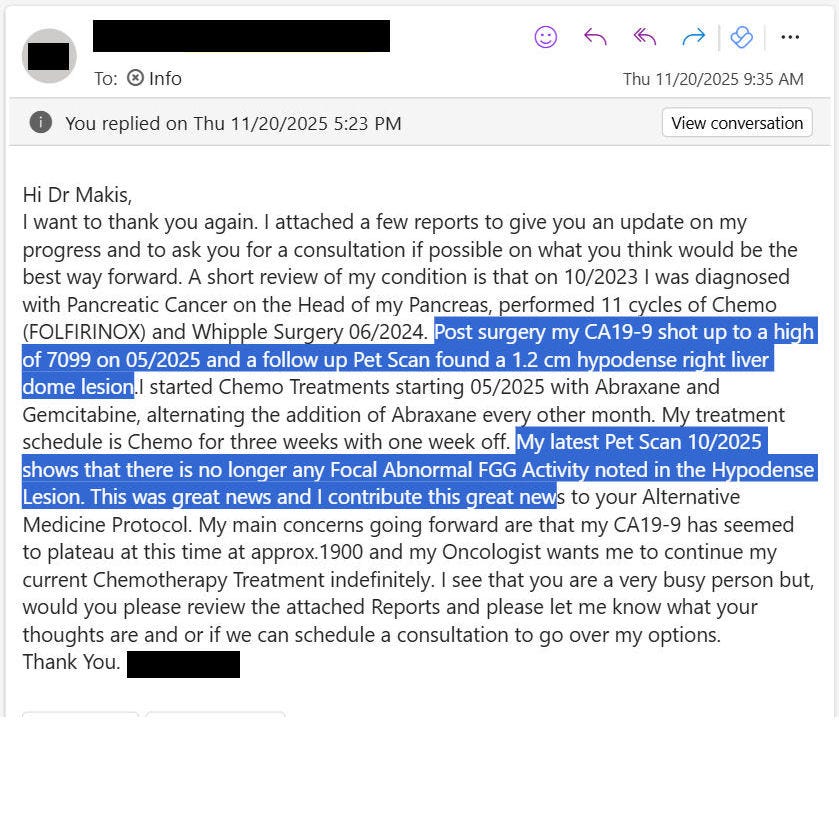
62 year old California man with Stage 4 Pancreatic Cancer (had 2 Pfizer mRNA Vaccines in 2021)
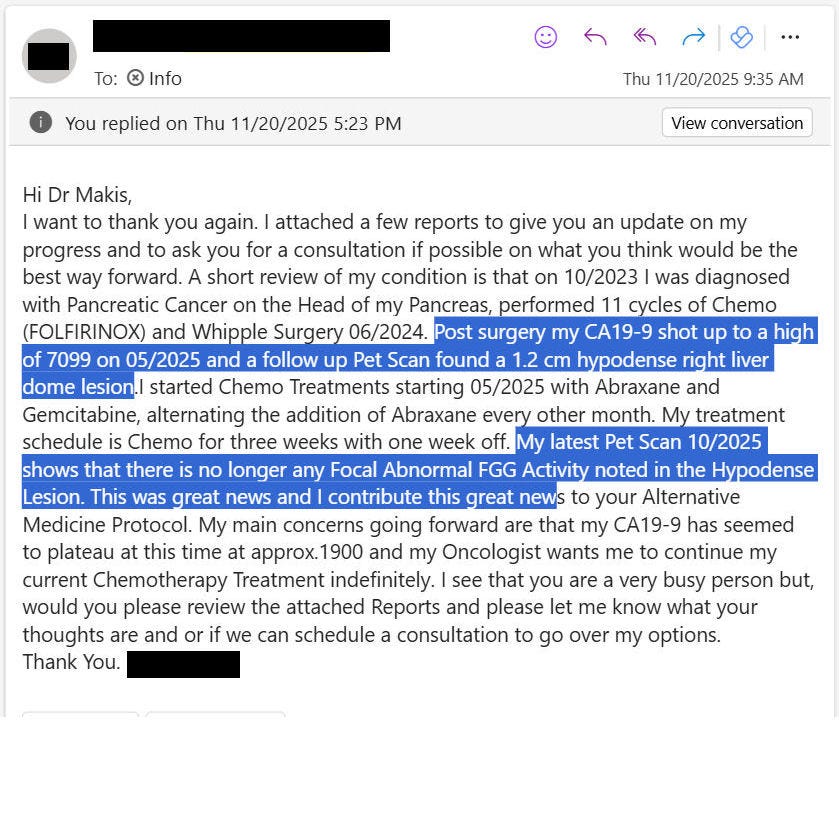
Oct.2023 - Diagnosed with Pancreatic Head ca and had 11 cycles of FOLFIRINOX chemo
Jun.2024 - Whipple Surgery
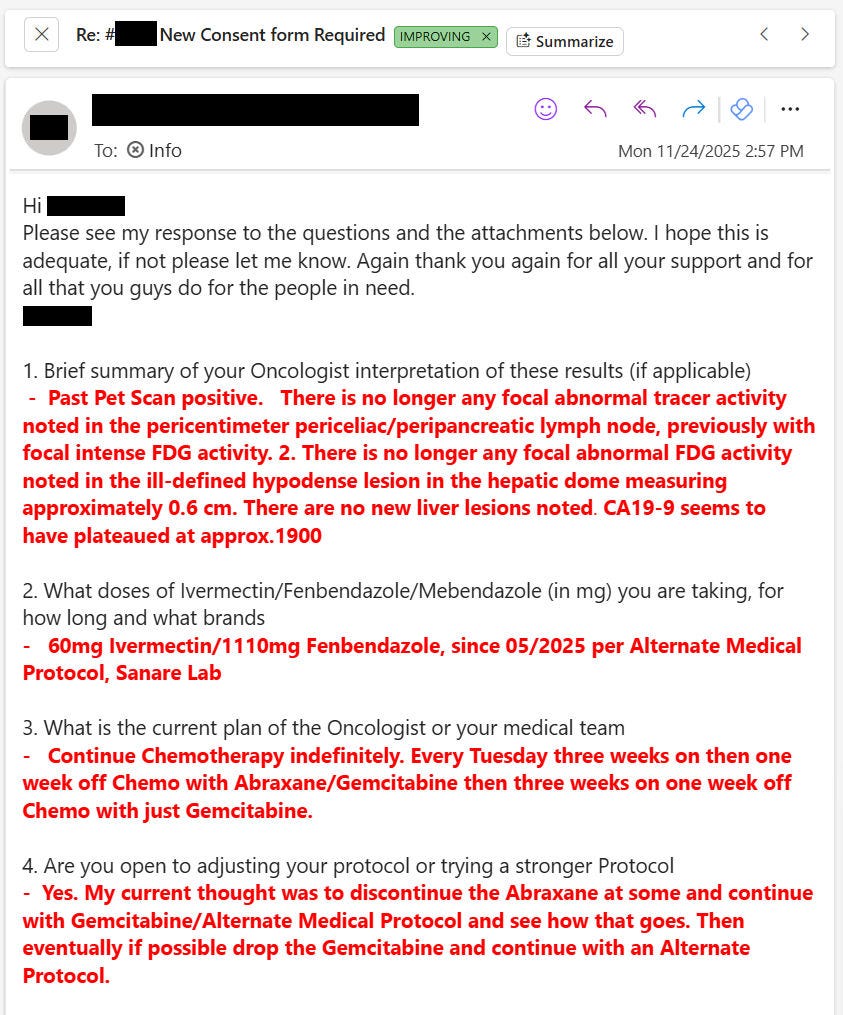
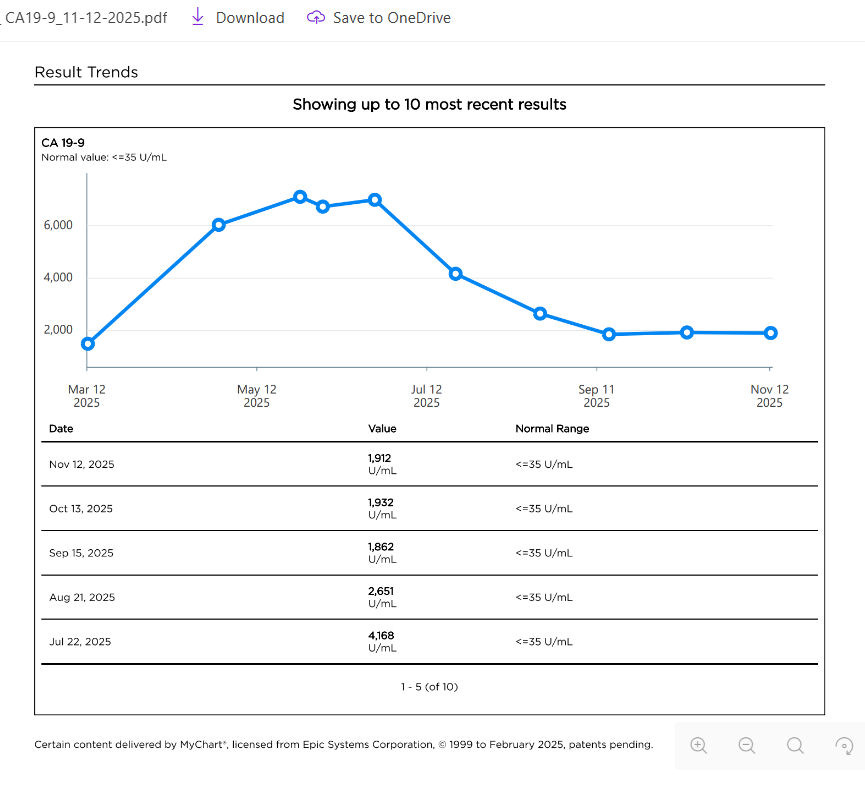
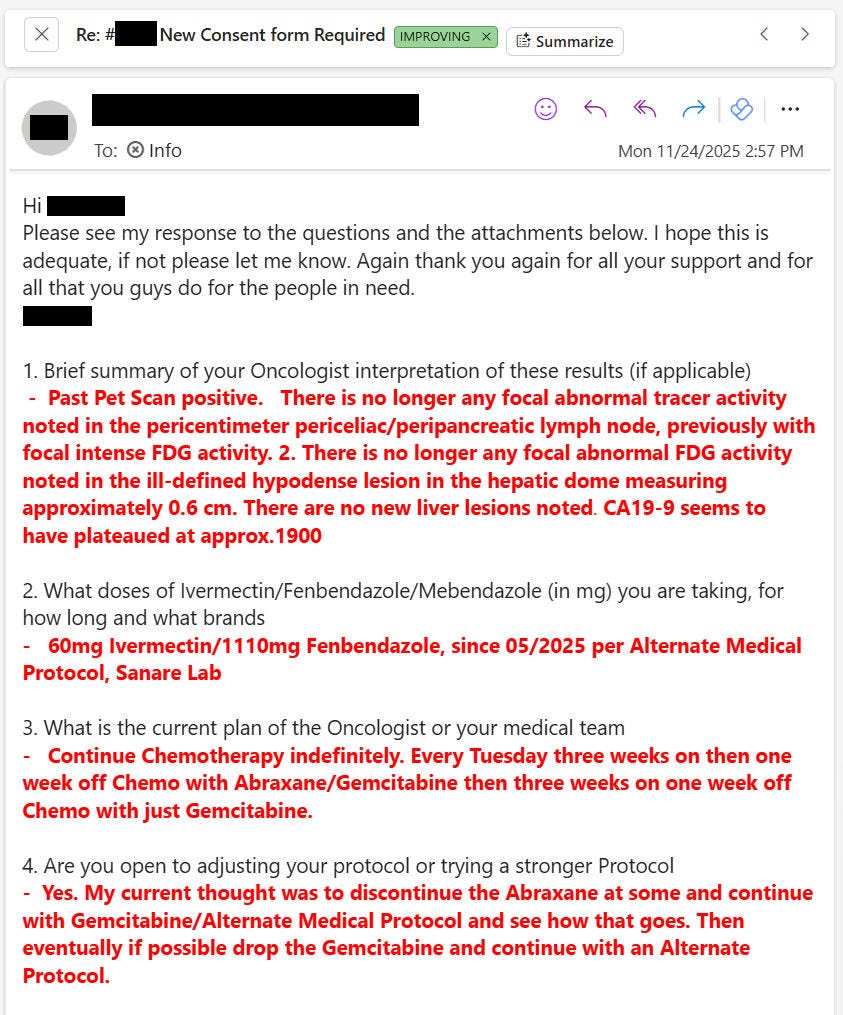
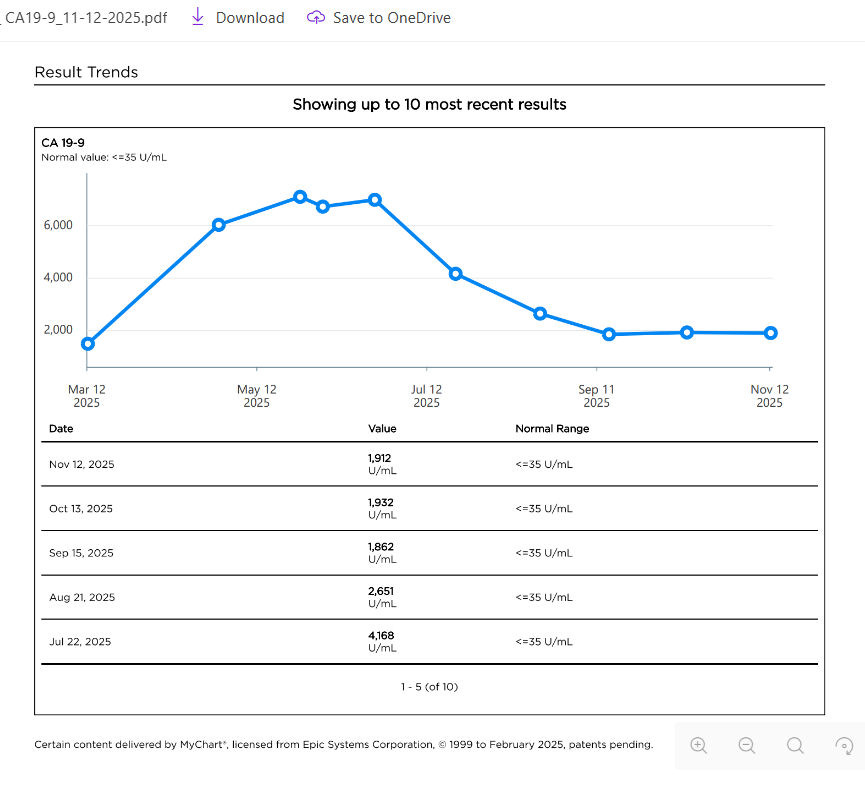
May 2025 - CA19-9 shoots up to 7099 and PET scan shows Stage 4 disease, so he starts chemo again Abraxane, Gemcitabine.
patient wants to stop Abraxane due to worsening neuropathy.
=====
You wouldn’t believe how many early stage Cancer patients go through an extensive chemo regimen, then have surgery, only to progress to Stage 4 within a year.
For me, this is failure. Chemo failure. Oncologist failure. Mainstream medicine failure. What else can you call it ?
And yet, the Oncologist is NEVER questioned. Not once.
Their failure is never even pointed out.
And then I am asked to help and I get buried in questions (from mainstream medicine) - what is your success rate? Why don’t you post your failures? Where is your data? Where are your randomized clinical trials?
(Insert profanity) why don’t you ask the damn Oncologist under whose “care” the Cancer patient went from Stage 1 to Stage 4 within 1 year!!
Seriously, after reviewing 7600 cancer cases, my opinion of mainstream Oncology couldn’t be lower.
Our next healing experience once again comes courtesy of Dr. Makis, and it is a stunning stage 4 cancer reversal:
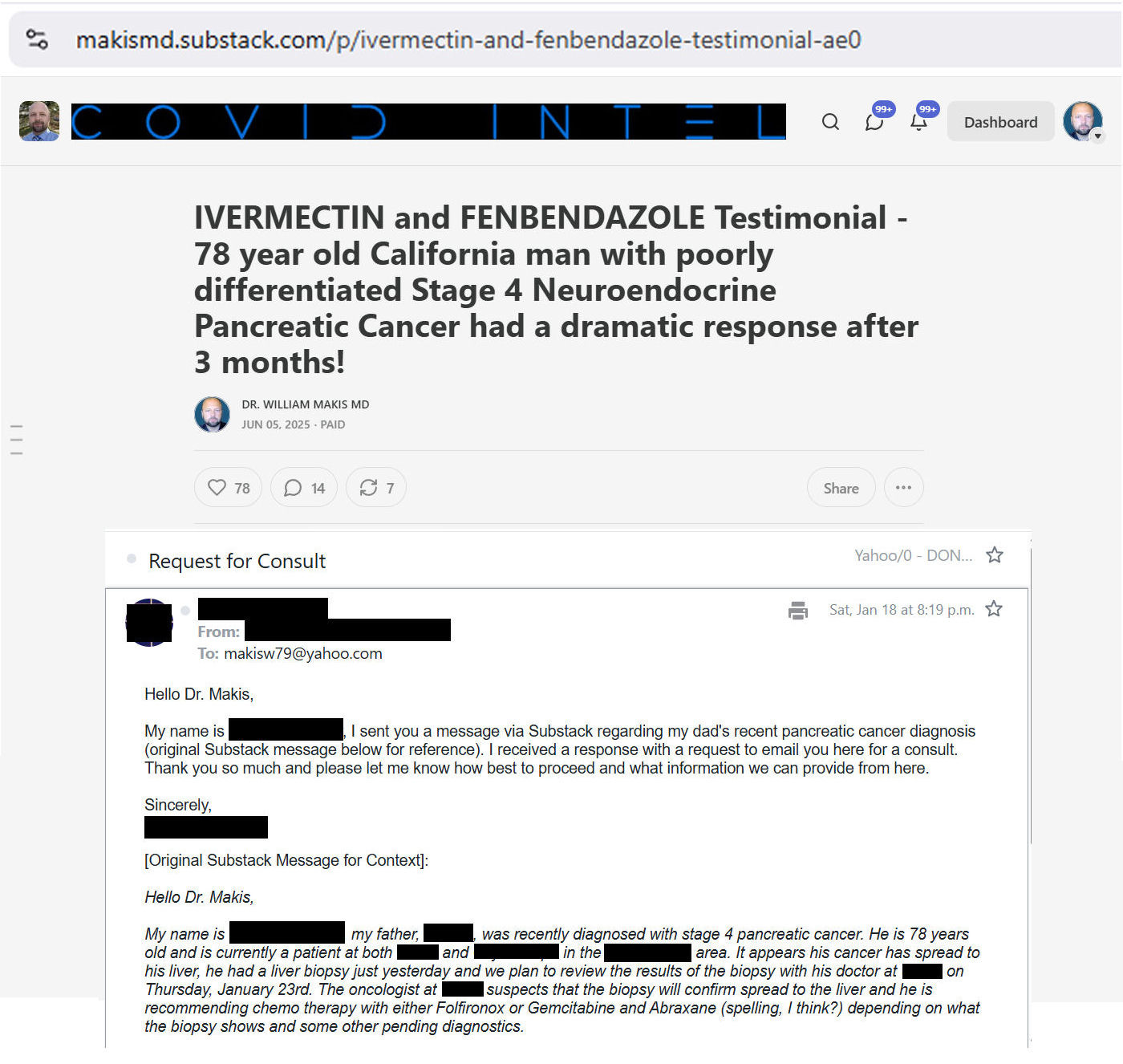
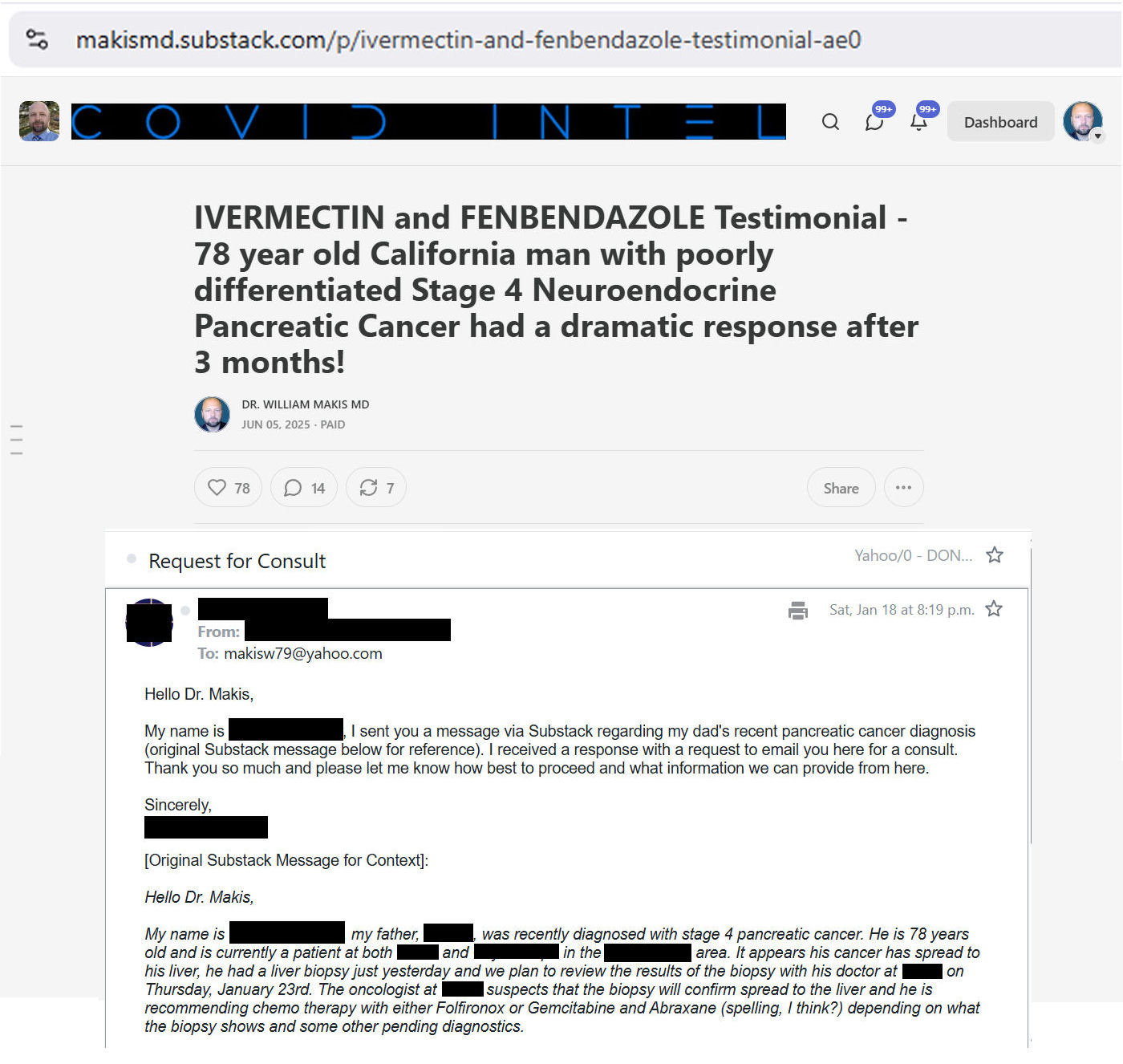
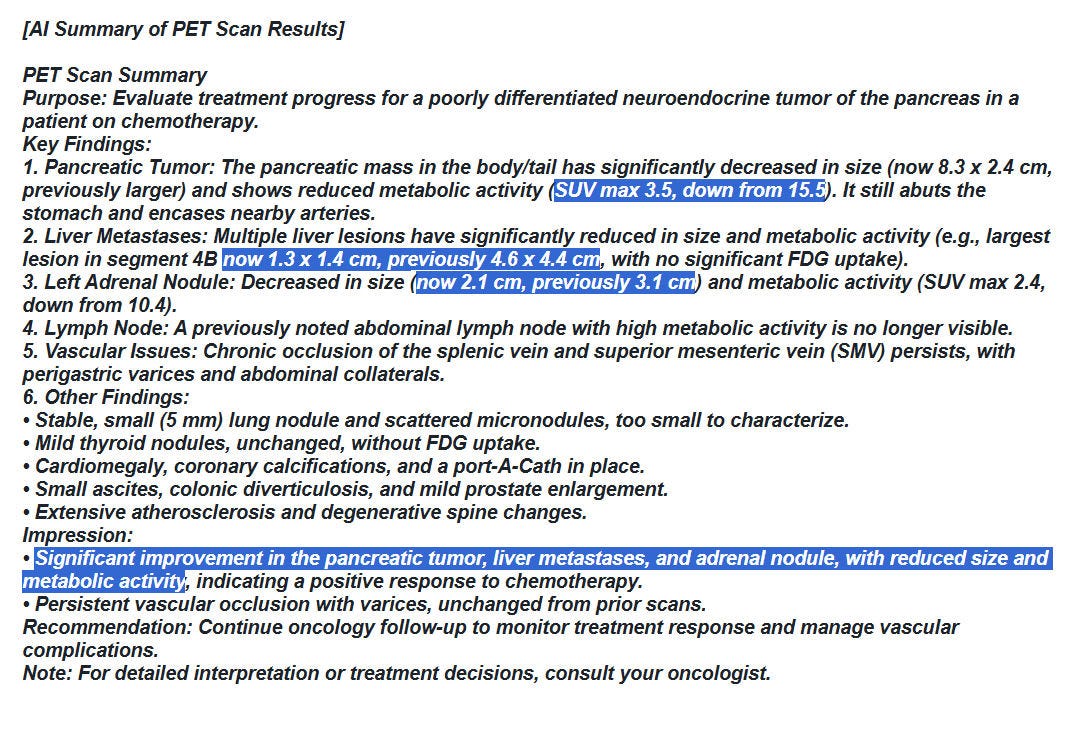
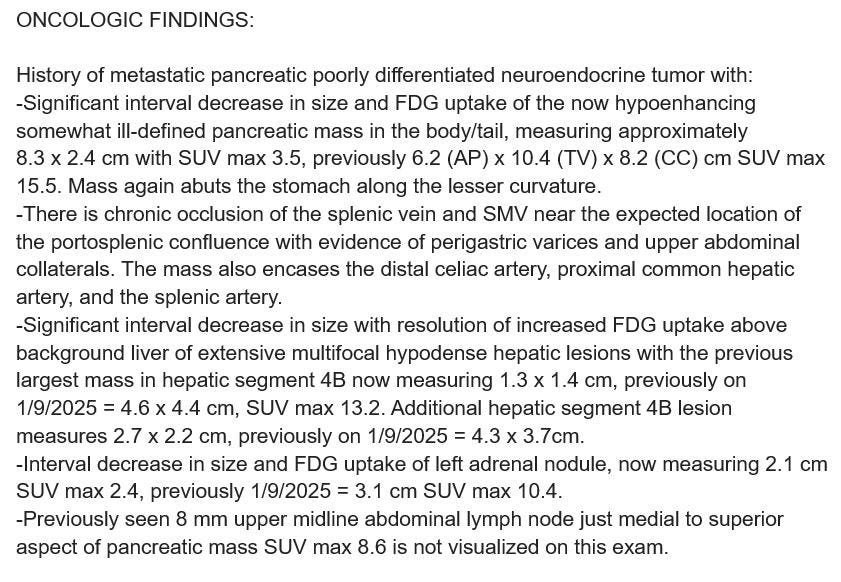
IVERMECTIN and FENBENDAZOLE Testimonial - 78 year old California man with poorly differentiated Stage 4 Neuroendocrine Pancreatic Cancer had a dramatic response after 3 months!
Poorly Differentiated Neuroendocrine cancers are considered almost impossible to treat, by mainstream Oncology.
STORY: 78 year old California man was diagnosed with Stage 4 NEUROENDOCRINE Pancreatic Cancer (10cm mass) metastatic to the liver
I run the world’s largest Ivermectin Cancer Clinic and we are being attacked for helping thousands of Cancer patients from around the world.
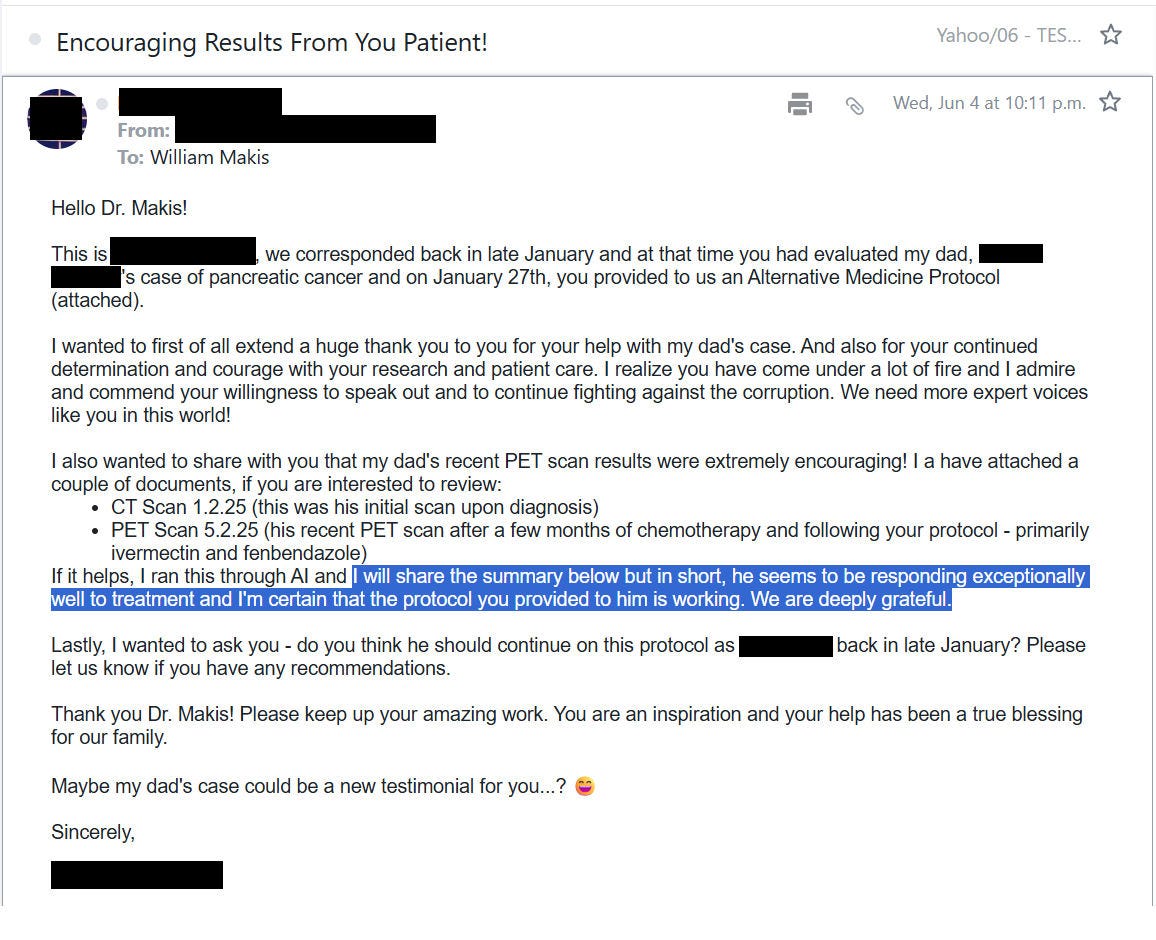
The synergy between Ivermectin, Fenbendazole and chemotherapy is giving results that often shock the Oncologists. From the patient’s family:
“he seems to be responding exceptionally well to treatment”
And it’s nice when patients recognize the efforts undertaken to get them these kinds of results
“I wanted to first of all extend a huge thank you to you for your help with my dad’s case. And also for your continued determination and courage with your research and patient care”
“I realize you have come under a lot of fire and I admire and commend your willingness to speak out and to continue fighting against the corruption.”
“We need more expert voices like you in this world!”
This is an amazing story of courage and resilience that every cancer patient should read!
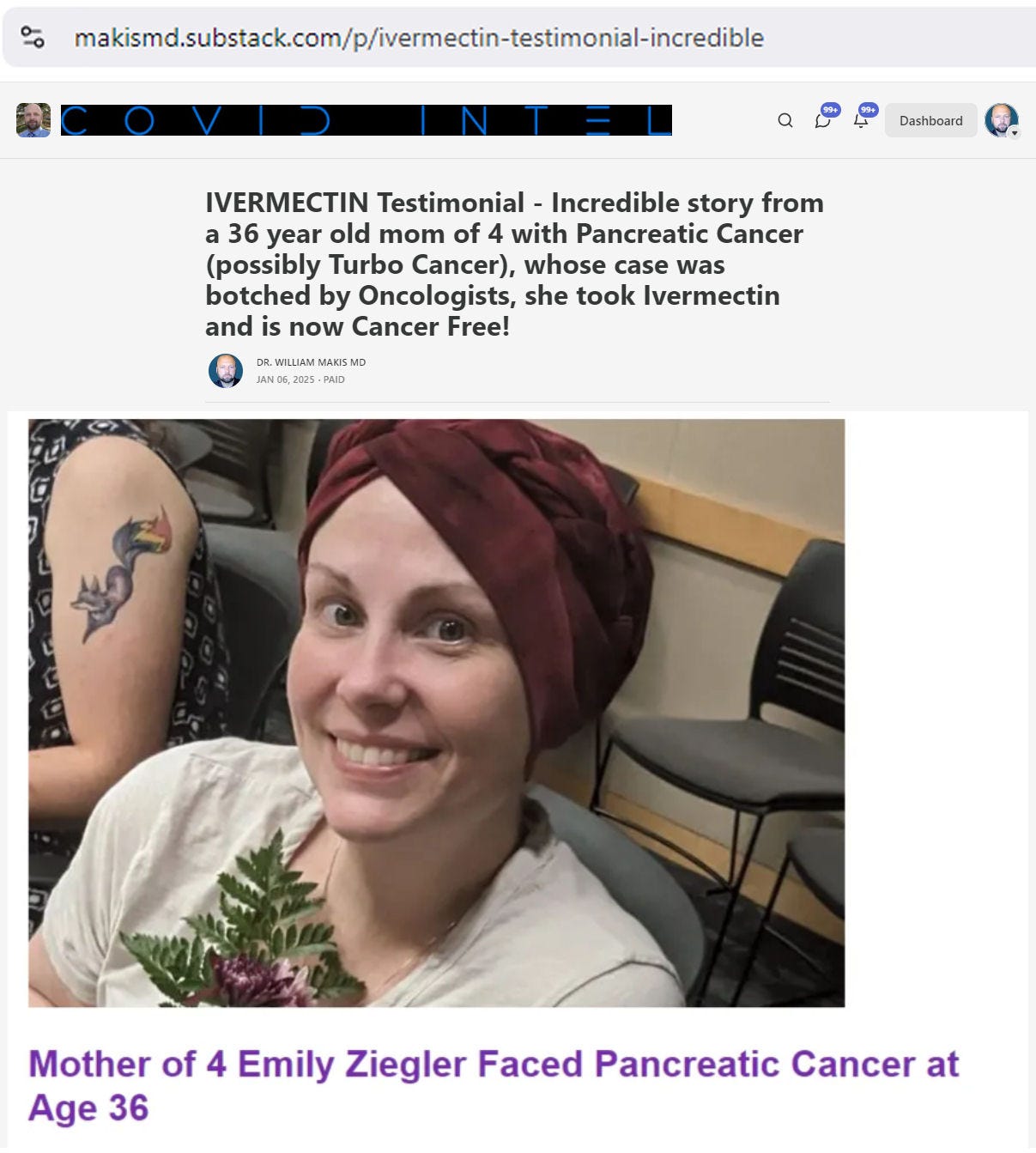
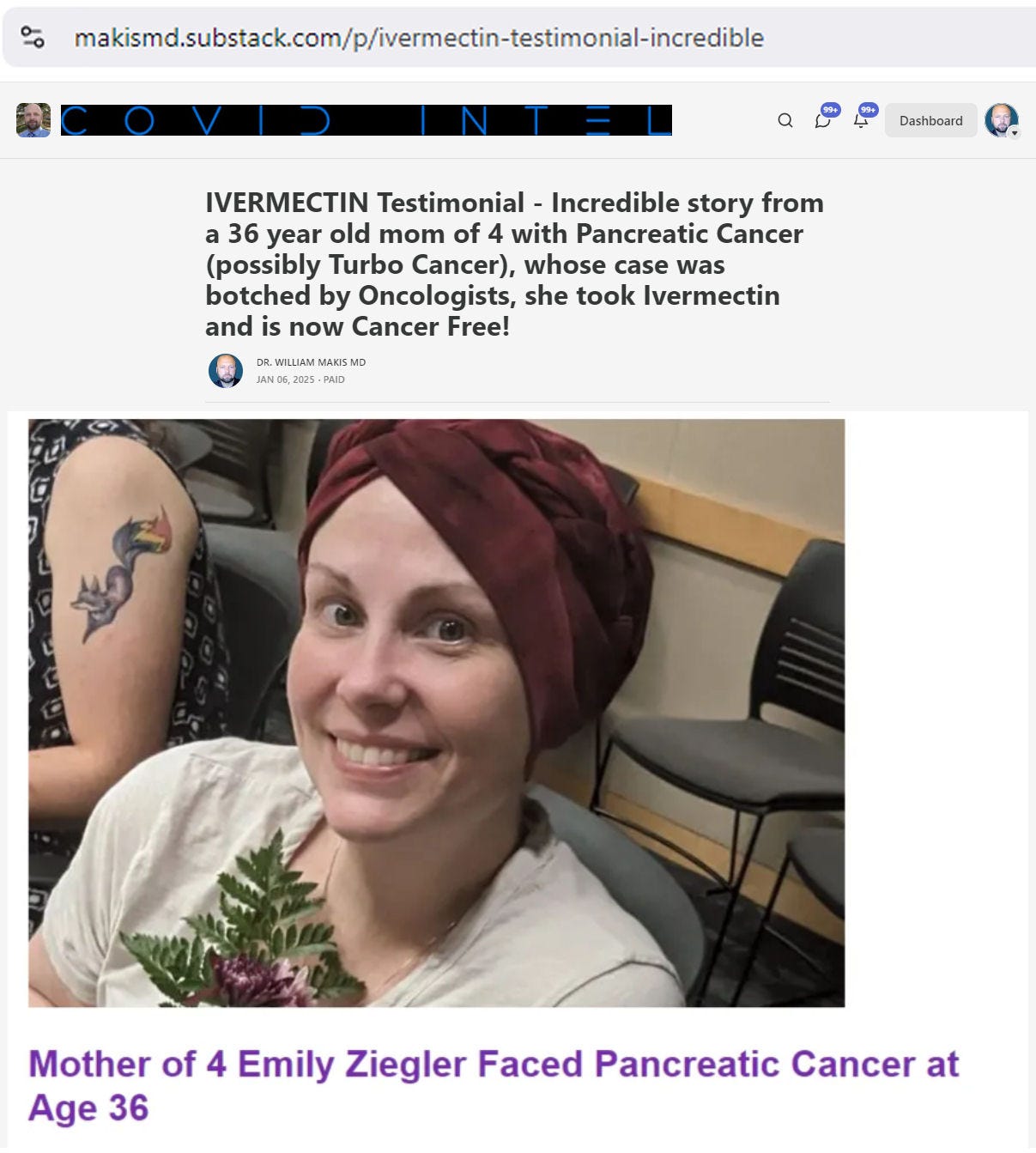
Emily Ziegler Faced Pancreatic Cancer at age 36.
I will summarize what is a somewhat complicated medical story:
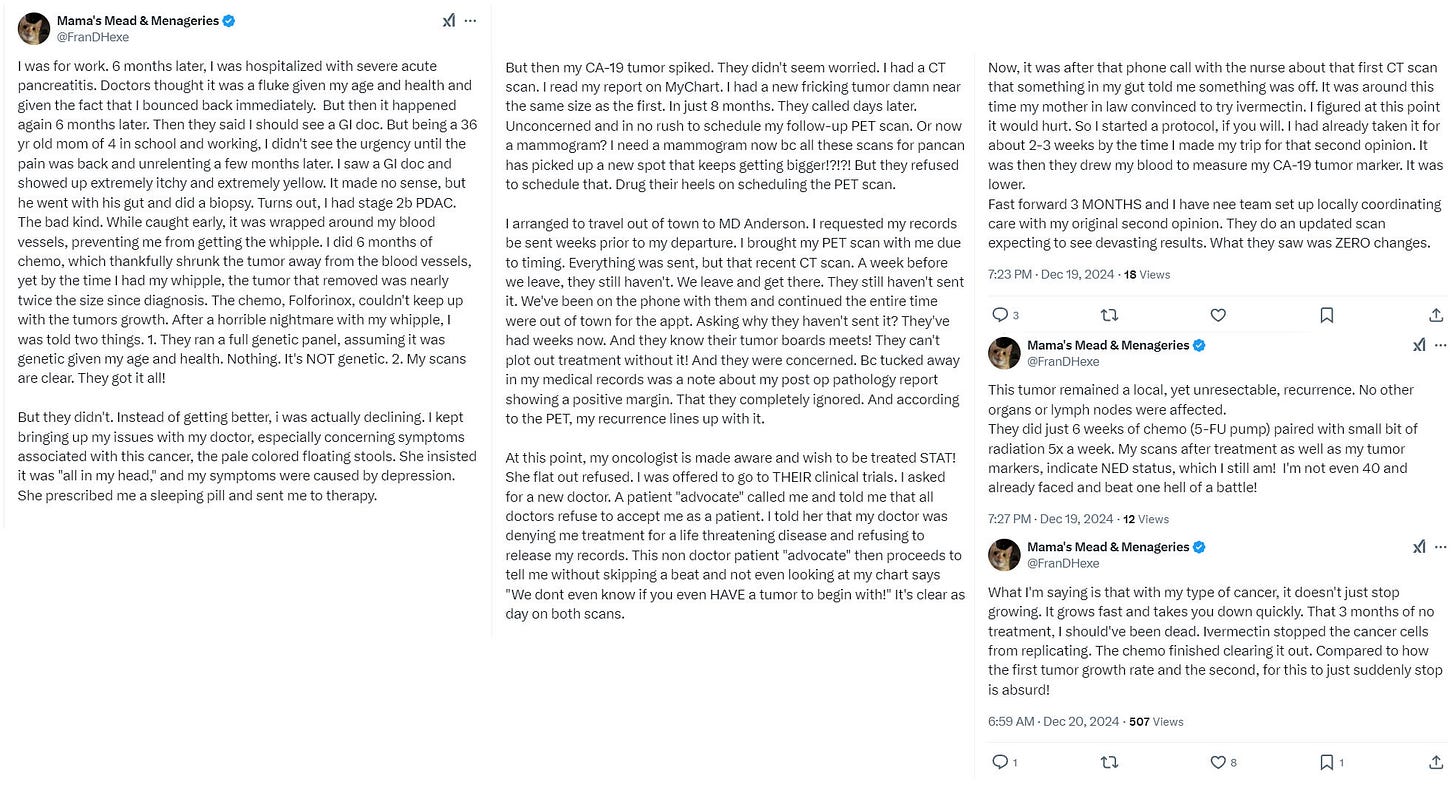
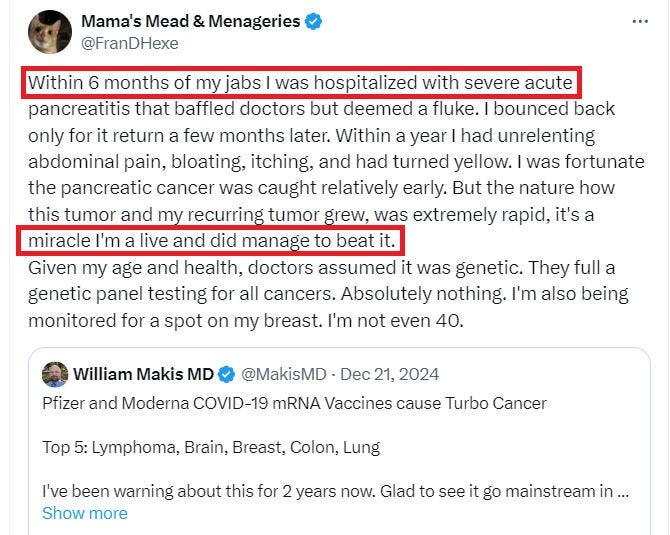
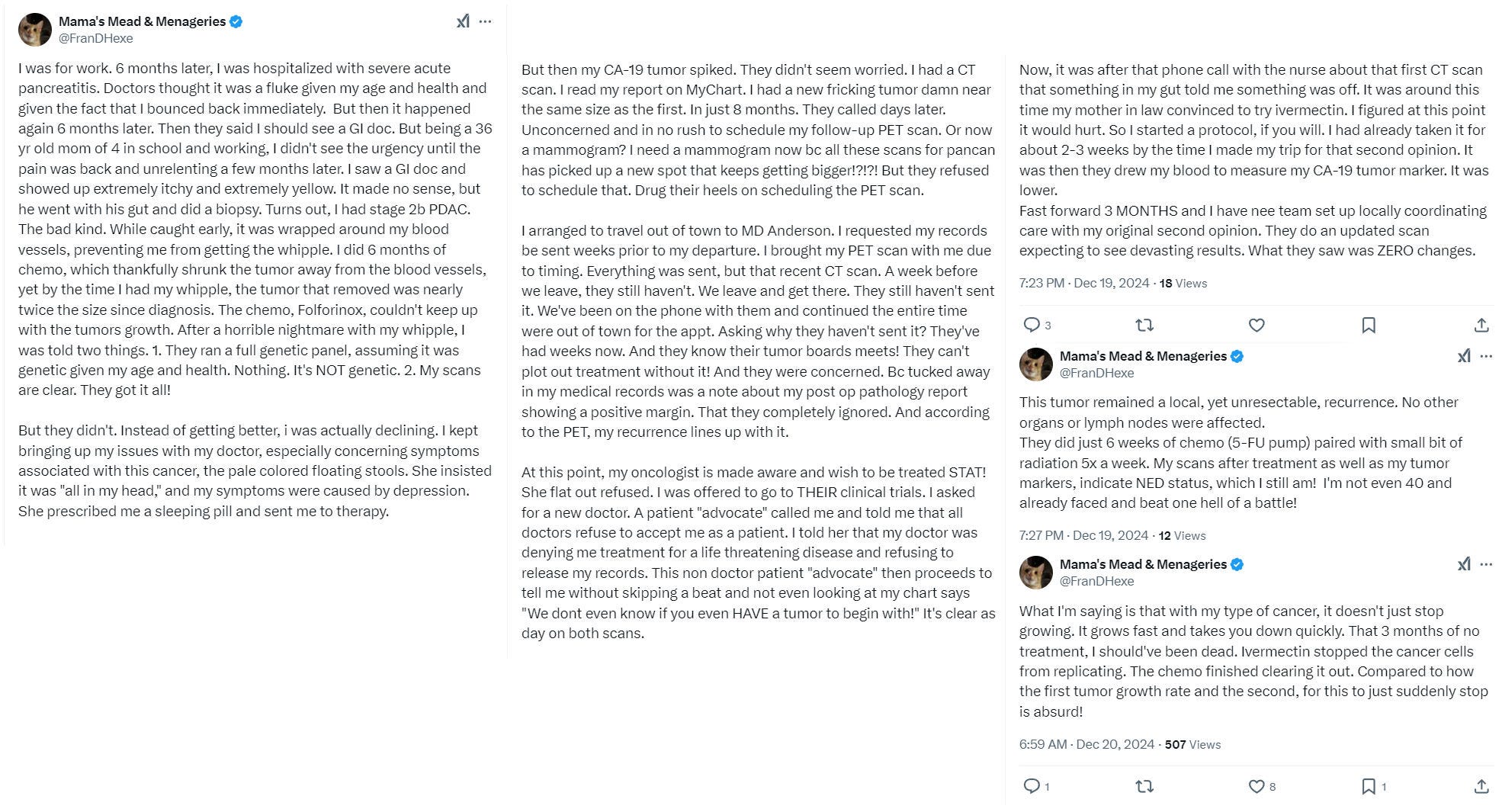
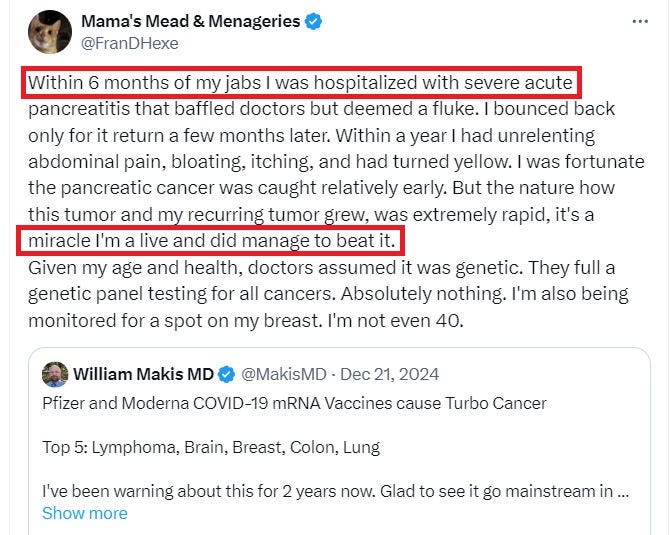
36 year old mother of 4, @FranDHexe was diagnosed with Stage 2 Pancreatic Ductal Carcinoma (PDAC), wrapped around her blood vessels, preventing her from getting surgery.
She did 6 months of chemo, which shrunk the tumor away from the blood vessels just enough to allow her to have surgery (Whipple procedure).
The tumor that was removed, however, was twice the size of the original tumor, indicating the Pancreatic Cancer had already overcome the effects of the chemo even before the surgery and had been growing again very quickly.
Surgeons claimed they got it all but they didn’t (post op pathology report showed positive margins but no one caught it and no one seemed to know)
She had ongoing symptoms but wasn’t taken seriously by her Oncologists. Her cancer markers CA-19 spiked and sure enough, 8 months after her surgery she was diagnosed by CT with a Pancreatic cancer recurrence, nearly the same size as the 1st tumor, but her Oncologists refused to treat her and tried to put her on a trial of some kind.
At this point it becomes a medical horror story.
She went to MD Anderson for a second opinion.
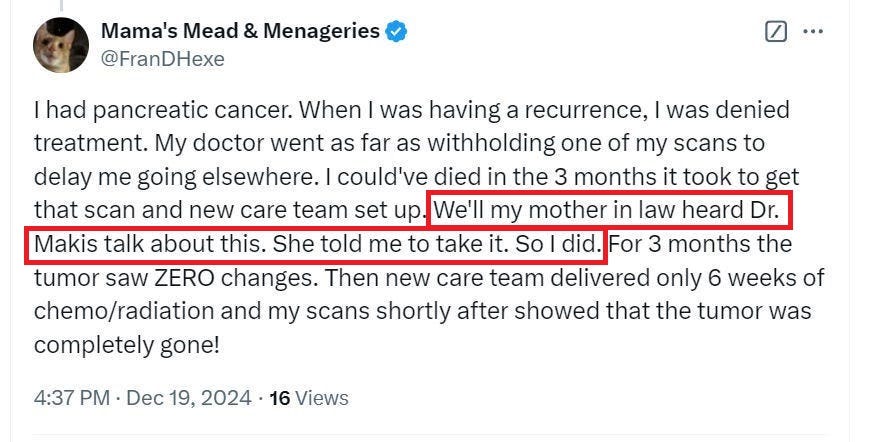
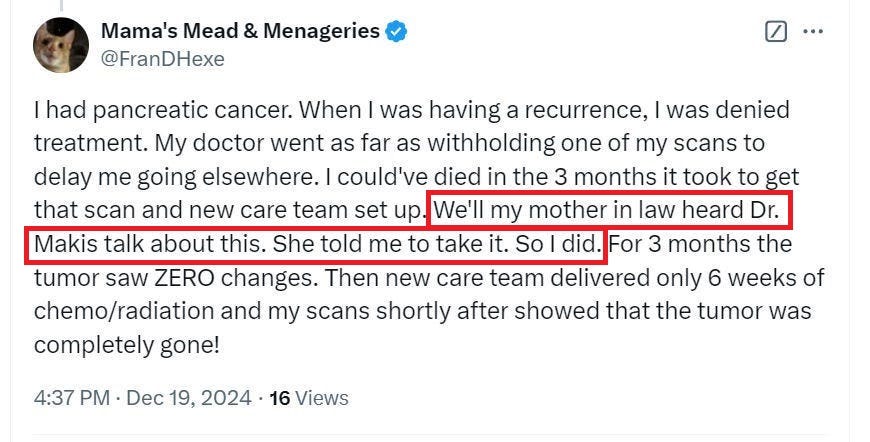
Fortunately, this is where she started taking Ivermectin on the advice of her mother in law: “my mother in law knew of Dr.Makis and his research”.
She took Ivermectin for three months while arranging a new cancer team to prepare treatment for her Pancreatic Cancer recurrence.
During those three months the tumor STOPPED growing, was unchanged on CT and had not metastasized (!!)
Her 2nd (more competent) Oncology team then did 6 weeks of chemo and radiation with incredible results.
She is now Cancer free!
Here is where incompetent doctors like Vinay Prasad @VPrasadMDMPH would say something like: “Ivermectin doesn’t work in Cancer”, and walk away (yes, he actually said this).
Let’s set aside the medical malpractice by the 1st Oncology team (and let’s ignore Vinay Prasad, who talks a bit too much but knows very little).
What actually happened here?
How do I explain what happened here?
During the 3 months that she was diagnosed with a LOCAL Pancreatic cancer recurrence but her Oncologists refused to treat her, theIvermectin definitely stopped the tumor growth.
Without the Ivermectin she would have progressed to Stage 4 with metastases - this was a very aggressive cancer!
Ivermectin stopped the tumor growth and prevented the tumor from metastasizing!
But it doesn’t end there.
Furthermore, Ivermectin sensitized her cancer to the chemo and radiation that she then received:
“they did just 6 weeks of chemo paired with a small bit of radiation 5x a week”.
Let’s bring in the science: Ivermectin kills stem cells, making it possible to reach NED post chemo and radiation (2017 Dominguez-Gomez et al:
“Ivermectin as an inhibitor of cancer stem-like cells”)
Ivermectin inhibits tumor growth and metastasis (2020 Chen et al:
“Ivermectin suppresses tumour growth and metastasis through degradation of PAK1”)
Ivermectin inhibits metastasis (2022 Jiang et al: “Ivermectin inhibits tumor metastasis by regulating the WNT/b-catenin/integrin b1/FAK signaling pathway”)
Ivermectin reverses chemo drug resistance, allowing chemo to kill more cancer cells (2019 Jiang et al: “Ivermectin reverses the drug resistance in cancer cells through EGFR/ERK/Akt/NF-kB pathway”)
Ivermectin sensitizes cancer cells to radiation, allowing radiation to kill more cancer cells. (2020 Mudassar et al: “Targeting tumor hypoxia and mitochondrial metabolism with anti-parasitic drugs to improve radiation response”)
I could probably put at least 10 other papers in here but I’ve made my point.
Ivermectin was indeed responsible for her excellent response to chemo and radiation and the outcome of now being CANCER FREE!
I’m extremely happy for Emily and thankful that she is sharing her incredible story with the world and trying to help others!
This is an important update on the ‘holy grail’ cancer cure for advanced cases which do not initially respond to the higher ranges of Ivermectin and Fenbendazole dosing.
This latest case from Dr. Makis yet again proves that there is absolutely no downside other than minor temporary side effects (exceedingly negligible risk versus survival reward, or succumbing to a “terminal” iatrogenic diagnosis) to administering extremely high doses of these two repurposed miracle compounds, whereas the upside is total remission and life; to wit:
Most oncologists fear Pancreatic cancers. Not me
I’ve had unprecedented success with advanced Pancreatic Cancers that puts most big US Cancer centers to shame.
In fact, patients come to me from those large Cancer Centers for help. Mayo Clinic, MD Anderson, Dana Faber, Johns Hopkins, Memorial Sloan Kettering, City of Hope, UCSF, Stanford....
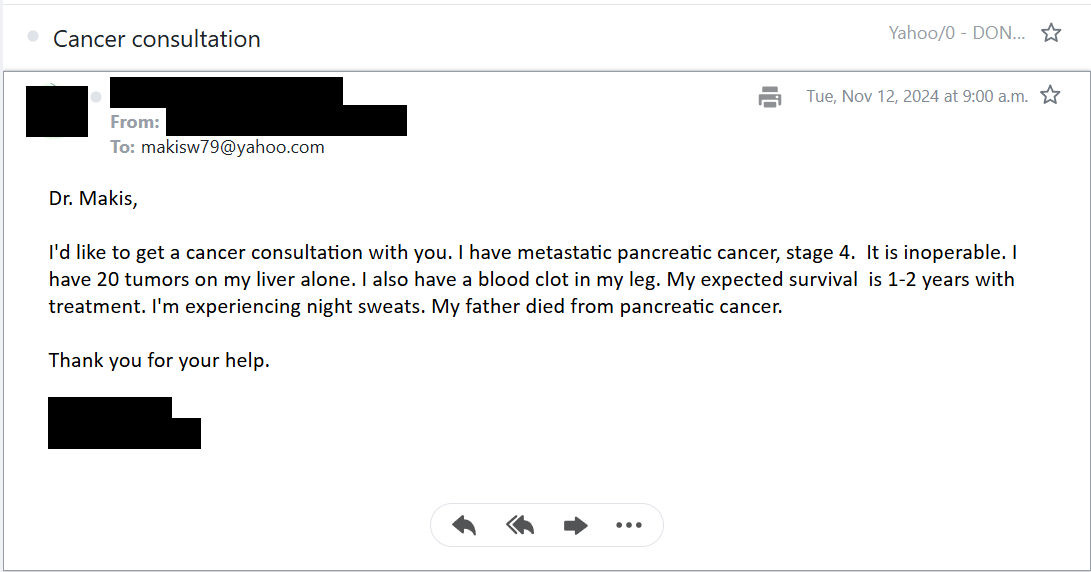
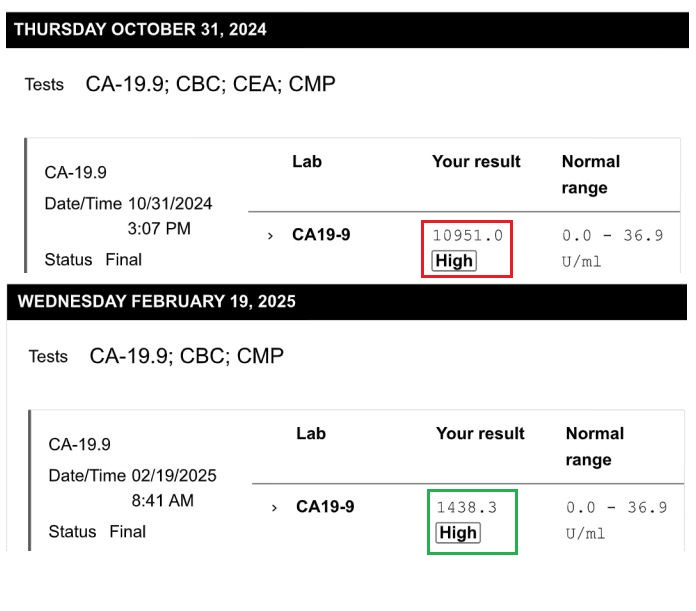
STORY: 57 year old man with Stage 4 Pancreatic Cancer and liver metastases (20 liver tumors)
Strong family history: father and uncle died of pancreatic cancer.
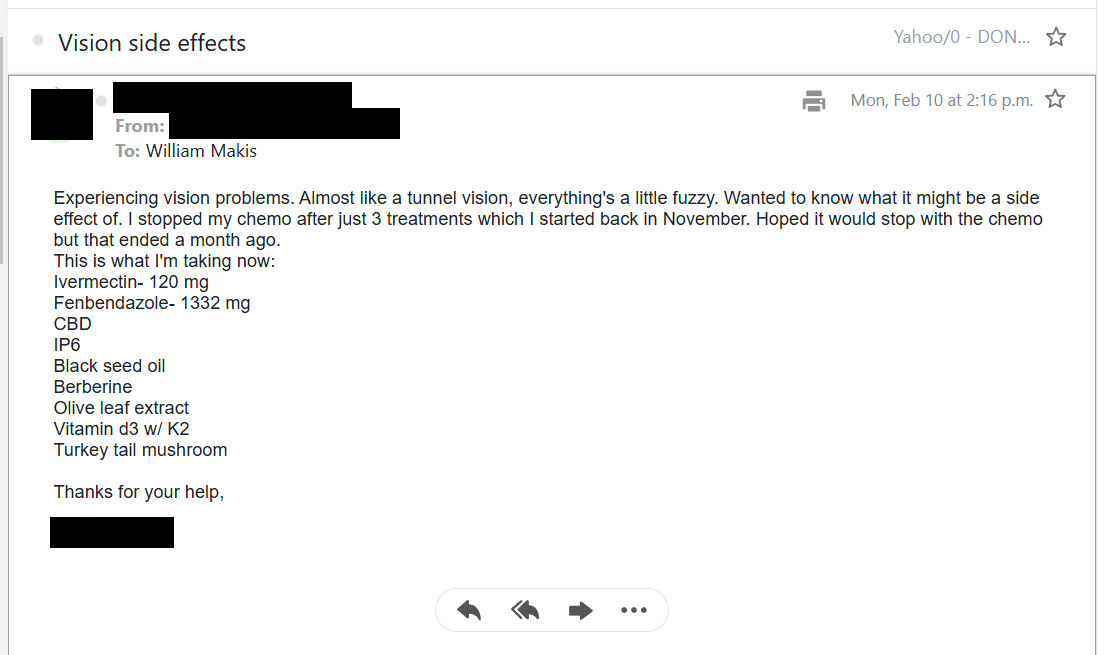
Fenbendazole 1332mg/day is higher than what Stanford University published
You cannot be afraid of high doses and you may have to struggle a little bit with some transient side effects.
But the results shock even the most experienced oncologists.
Meanwhile, the huge story out of Australia is that the mRNA Cancer vaccine has just failed. But that’s a story for another day. And I’ll bring it to you.
I run the largest Ivermectin Cancer Clinic in the world and there is only one place where you find testimonials like these, every, single, day (2SG: for years this Substack has been posting similar testimonials; for e.g.). I’m going to start posting more than one a day, as I now have too many!
And it is not just prostate cancer, because the following protocol that may very well represent the ‘holy grail’ cancer cure in plain sight, that may also treat Alzheimer’s, mood disorders, Parkinson’s, Lyme Disease, myocarditis, Hashimoto’s Disease, shingles (herpes), leukemia, Lupus, skin conditions, and various other “incurable” ailments, including gain of function viral releases, seasonal flu and even the common cold:
The Ultimate Disease Cure & Prophylaxis Protocol
Tocotrienol and Tocopherol forms (all 8) of Vitamin E (400-800mg per day, 7 days a week). A product called Gamma E by Life Extension or Perfect E are both great.
Bio-Available Curcumin (600mg per day, 2 pills per day 7 days a week). A product called Theracurmin HP by Integrative Therapeutics is bioavailable.
Fenbendazole (450mg, 7 days a week) or in the case of severe turbo cancers up to 1 gram — for MEGADOSE 1,350mg-2,000mg/day — for prophylaxis one 150mg tablet once or twice per week
Ivermectin (24mg, 7 days a week) or in the case of severe turbo cancers up to 1mg/kg/day — for MEGADOSE 120mg-200mg/day — for prophylaxis one 12mg tablet once or twice per week
Hydroxychloroquine (10mg/kg/day 7 days a week) - for prophylaxis one 200mg tablet once or twice per week
ImmunX immune support which also greatly increases the bioavailability of both FenbendazoleandHydroxychloroquine (2 capsules per day) —for prophylaxis 2 capsules per day
Removing sugars and carbohydrates (cancer food) from your diet and replacing table sugar with a zero glycemic index, zero calorie, keto friendly rare sugar like AlluX
Excellent! Johns Hopkins scientists have shown that mebendazole disrupts the shield of cells, called the stroma, protecting pancreatic tumors that make therapeutic treatment difficult Williamson, T., de Abreu, M. C., Trembath, D. G., Brayton, C., Kang, B., Mendes, T. B., de Assumpção, P. P., Cerutti, J. M., & Riggins, G. J. (2021). Mebendazole disrupts stromal desmoplasia and tumorigenesis in two models of pancreatic cancer. Oncotarget, 12(14), 1326–1338. https://doi.org/10.18632/oncotarget.28014. While mebendazole is effective, Italian scientists have shown that fenbendazole is actually the more effective pancreatic cell killer https://www.mdpi.com/2072-6694/11/12/2042
In the 1980s, my boss used to go to Mexico to smuggle back laetrile (also called vitamin B17) for his daughter who had a brain tumor as it was and still is, I believe, against the law to use for cancer treatment (strange, no?). She has now outlived her parents and siblings.





Excellent! Johns Hopkins scientists have shown that mebendazole disrupts the shield of cells, called the stroma, protecting pancreatic tumors that make therapeutic treatment difficult Williamson, T., de Abreu, M. C., Trembath, D. G., Brayton, C., Kang, B., Mendes, T. B., de Assumpção, P. P., Cerutti, J. M., & Riggins, G. J. (2021). Mebendazole disrupts stromal desmoplasia and tumorigenesis in two models of pancreatic cancer. Oncotarget, 12(14), 1326–1338. https://doi.org/10.18632/oncotarget.28014. While mebendazole is effective, Italian scientists have shown that fenbendazole is actually the more effective pancreatic cell killer https://www.mdpi.com/2072-6694/11/12/2042
In the 1980s, my boss used to go to Mexico to smuggle back laetrile (also called vitamin B17) for his daughter who had a brain tumor as it was and still is, I believe, against the law to use for cancer treatment (strange, no?). She has now outlived her parents and siblings.
Wondering if anyone has any thoughts on this.